|
|
Riverside I CAN Approach to Education A Design-led Systems Approach to making Schools HUMANE! Newsletter | July - September 2026 Edition
|
What do the PISA results ask of us? |
|
Reading the latest results as a call to strengthen the foundations, and to keep them alive with curiosity
Why this matters
Behind every PISA score is a 15-year-old, sitting with a difficult passage or an unfamiliar problem, trying to make sense of it.
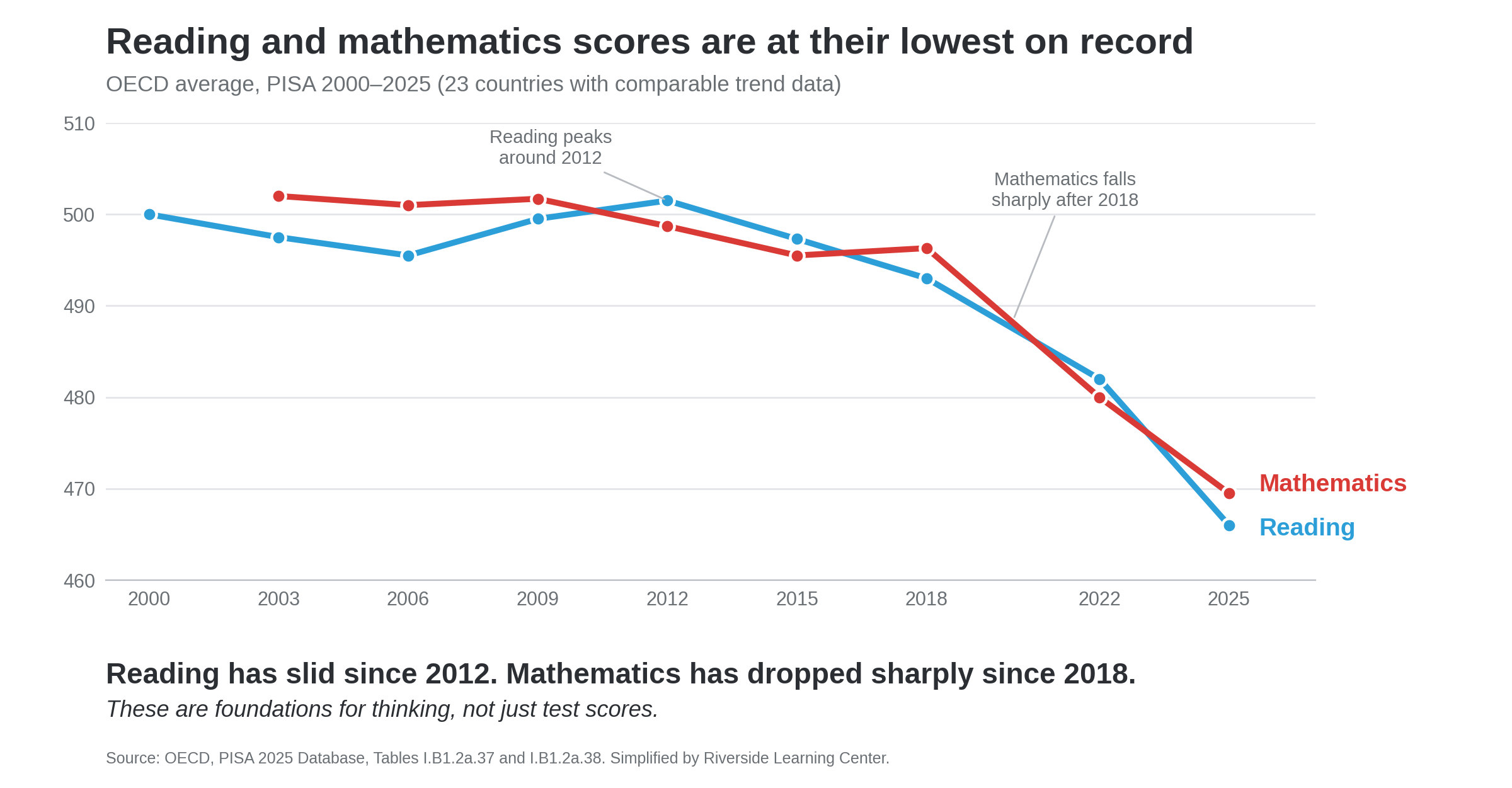
The latest results are hard to look at. Across the OECD, average reading scores have fallen by 28 points since 2015, about a year and a half of learning, while mathematics has fallen by 22 points, just over a year. These are the lowest averages PISA has ever recorded in both subjects, and one in five students is now a low performer across reading, mathematics and science.
What the results show
This is not a story of one bad year. In many countries the weakening began before the pandemic. In reading, the OECD notes that more screen time and falling rates of reading for enjoyment have coincided with weaker outcomes. Science held steady between 2022 and 2025, but the direction in reading and mathematics is hard to ignore.
And the numbers carry more than academic meaning. A child who struggles to read deeply may find it harder to imagine worlds beyond their own, understand another person's experience, or make meaning from complexity. A child who struggles with mathematics may find it harder to recognise patterns, test assumptions, and make sense of a world filled with data. These are not simply academic skills. They are human skills.
What the results ask of us
They ask us to resist the easy answer. Perhaps the response cannot simply be more worksheets, more tests, more coaching.
They ask us to think about the world our children are entering. If machines can calculate, retrieve, summarise and even write, children will need not less learning but stronger foundations for thinking: to read with curiosity, question what we are told, reason, imagine, connect ideas, see another person's perspective, and create something that did not exist before.
And they ask us to recommit to the basics: strong literacy, strong numeracy, deep conceptual understanding, in classrooms where these foundations come alive through conversation, problem-solving and imagination.
"Strong foundations are not the opposite of curiosity. They are what make curiosity possible."
What we owe them
We don't know exactly what world our children will inherit. But if the foundations are strong, they can meet its changes with confidence. That is the real education we owe them: not just the ability to perform in a test, but the ability to think, feel, imagine and act in a world that will keep changing.
The future may belongs to AI. But what makes us human will still matter.
|
|
Behind the scores: Children who see mathematics, not just solve it |
|
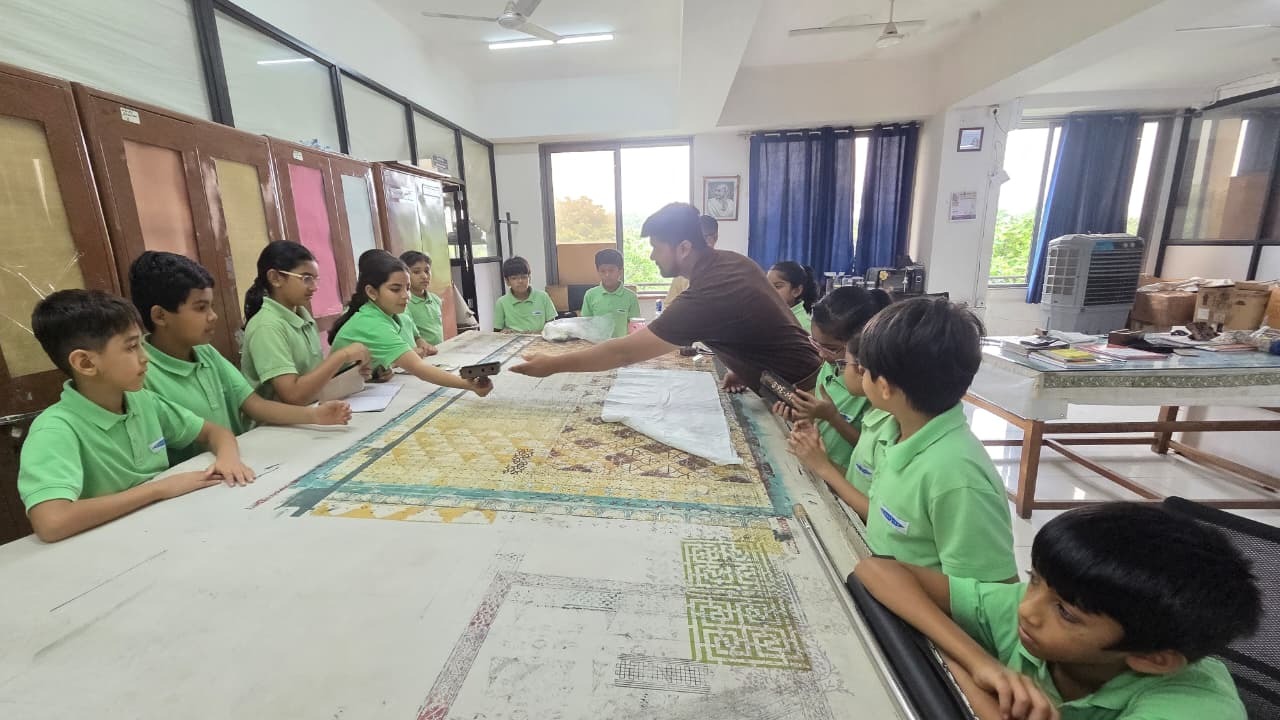
From formula to folk art How a Maths-meets-Art project builds the reasoning PISA results say we need
Mathematics, found rather than taught Mathematics scores in the latest PISA results are at their lowest recorded average. Behind that number is a familiar experience: mathematics reduced to formulas to memorise, disconnected from anything a child actually notices.
This project takes the opposite path. Through projects rooted in their own culture and surroundings, students explore the mathematics hidden in traditional patterns, textiles, architecture, rangoli, folk art and design, not as isolated concepts in a textbook, but as ideas that have shaped the world around them for generations.
"Mathematics is as much an aspect of culture as it is a collection of algorithms." — Carl Benjamin Boyer
PISA measures whether a child can recognise patterns, reason through problems and test assumptions in an unfamiliar context. This project asks exactly that: to find the geometry in a rangoli, the symmetry in a textile, the logic in a building, and explain why it's there. It builds creativity, reasoning and the confidence to use mathematics in contexts no worksheet could prepare them for.
A textbook can teach a child mathematics. A rangoli, a textile, a building can teach a child what mathematics is for.
Click on the LINK to see video |
I CAN Early Learning Centers |
|
The early years are not the warm-up. They are the foundation.
What the research says about the first years, and how the I CAN Early Learning Center builds on it
A young child's brain forms more than a million new neural connections every second in the first few years of life.
That is happening in the early years: in play, in conversation, in a caring adult who answers "why?" for the fifth time. It is not preparation for learning. It is learning, and the foundation for everything that follows.
What the research tells us The brain keeps learning throughout life. But the early years are the most active period for establishing neural connections, and the brain's ability to adapt declines as we age. The simple connections that form first become the base for the more complex ones that come later.
What builds them is not worksheets. It is responsive relationships, back-and-forth interactions with caring adults, and exploring the world through all the senses. In other words, play, conversation and curiosity.
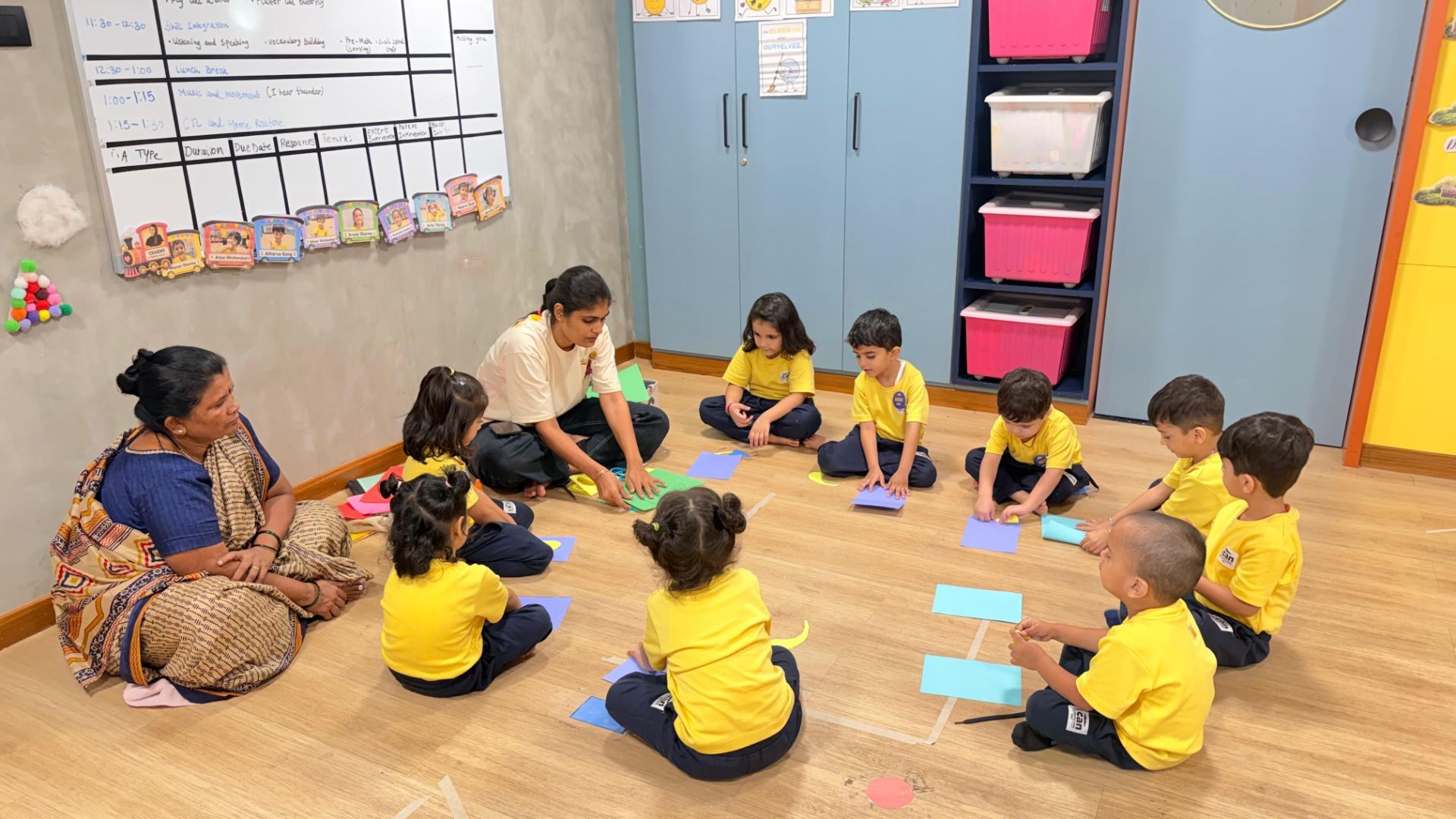
Play, Inquiry, Skills This is the thinking behind the I CAN Early Learning Center. The programme brings the Riverside I CAN Approach to Toddlers, Pre-K, K1 and K2, and it is a both-and approach: content and character, passion and compassion.
A partnership, not a package At RLC, we don't hand over a manual and move on. We train your team, coach your leaders, and stay for nine years, shifting from intensive training to coaching to mastery as your school's confidence grows.
A curriculum can be delivered. A philosophy has to be grown, together.
|
|
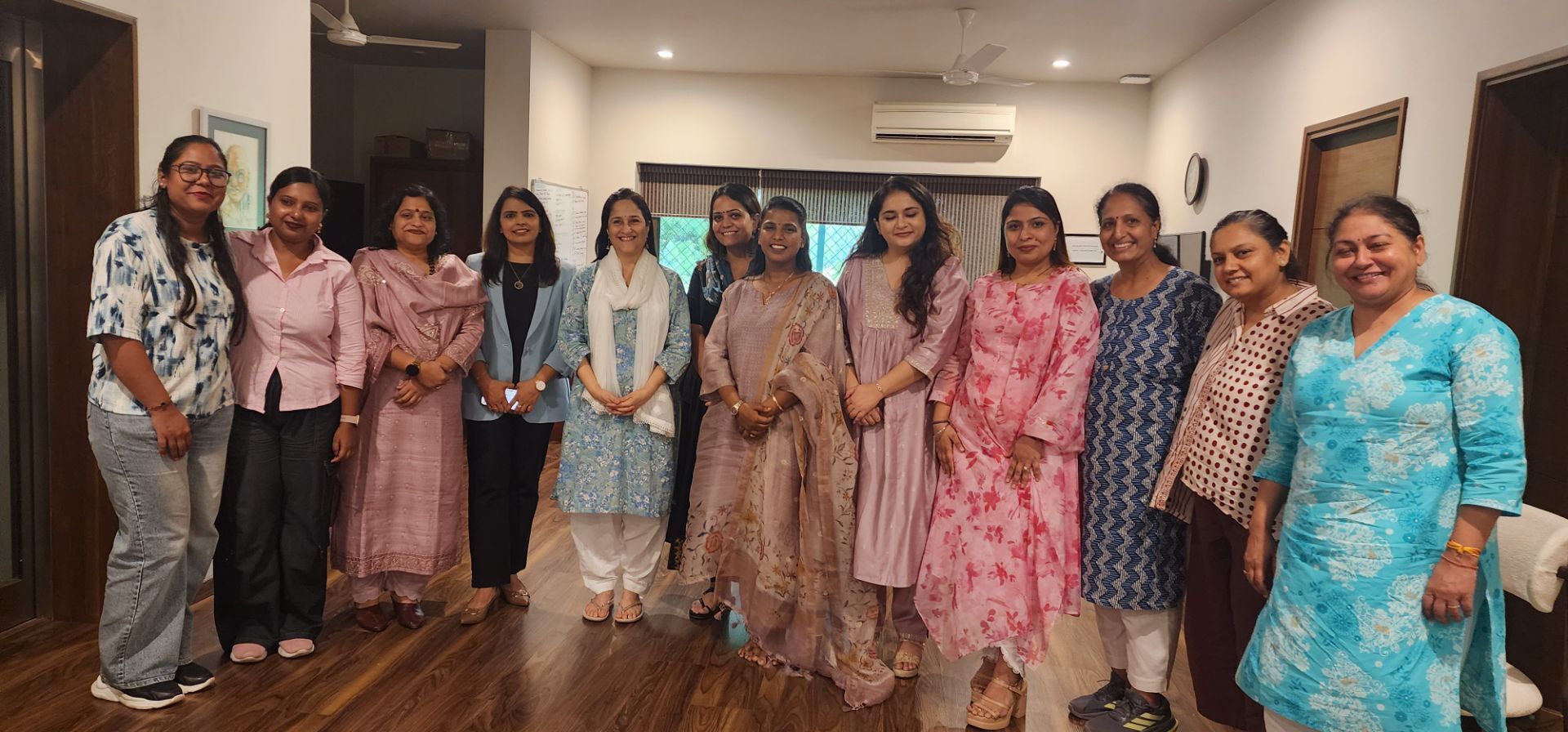
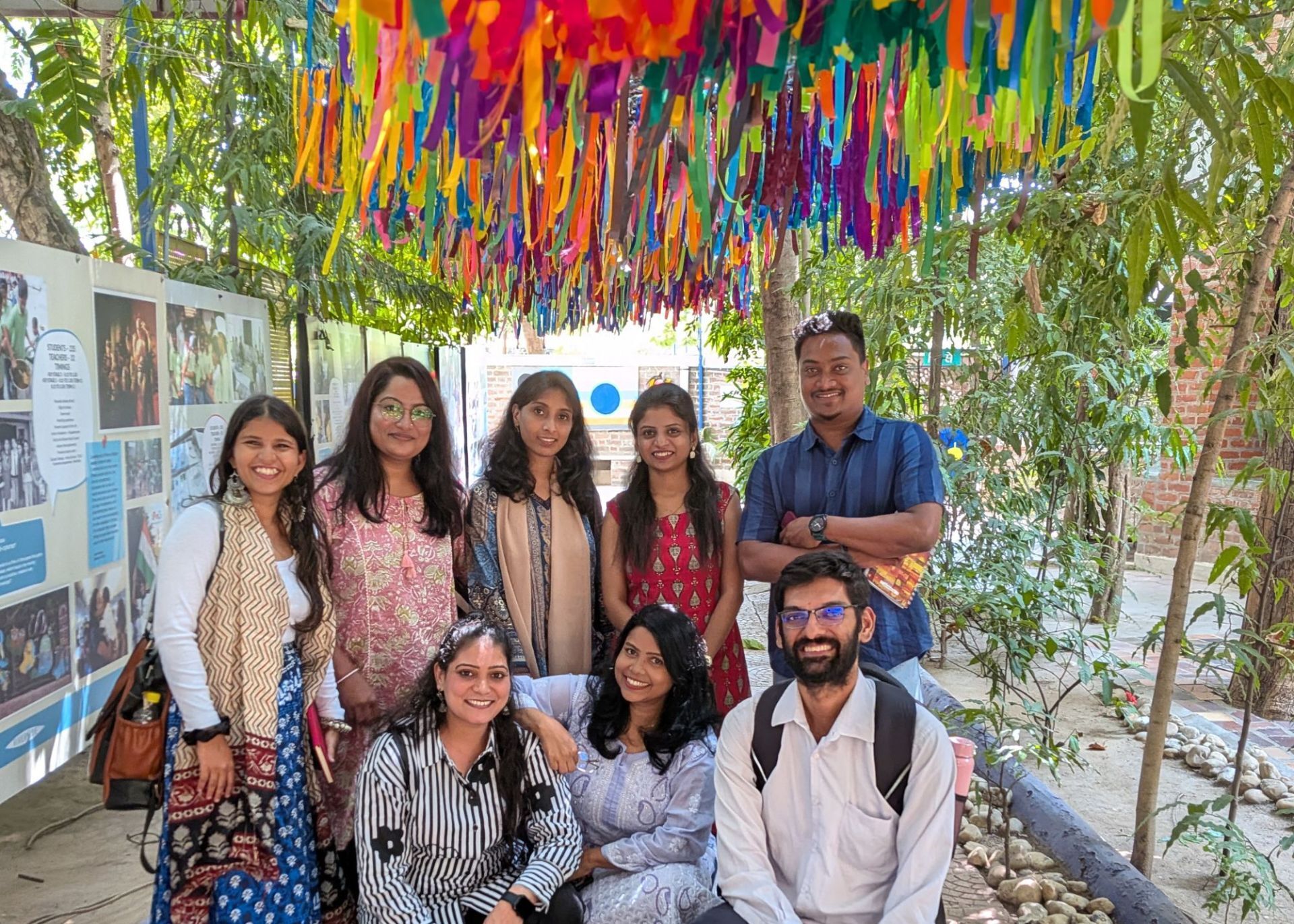
Leadership Bootcamp School leaders from diverse contexts came together for RLC's five-day Leadership Bootcamp, an immersive experience designed to strengthen intentional school leadership. Through school observations, and hands-on workshops, participants explored the interconnected pillars of effective schools, gaining practical frameworks and tools to build aligned systems, nurture empowering cultures, and lead meaningful whole-school transformation. |
|
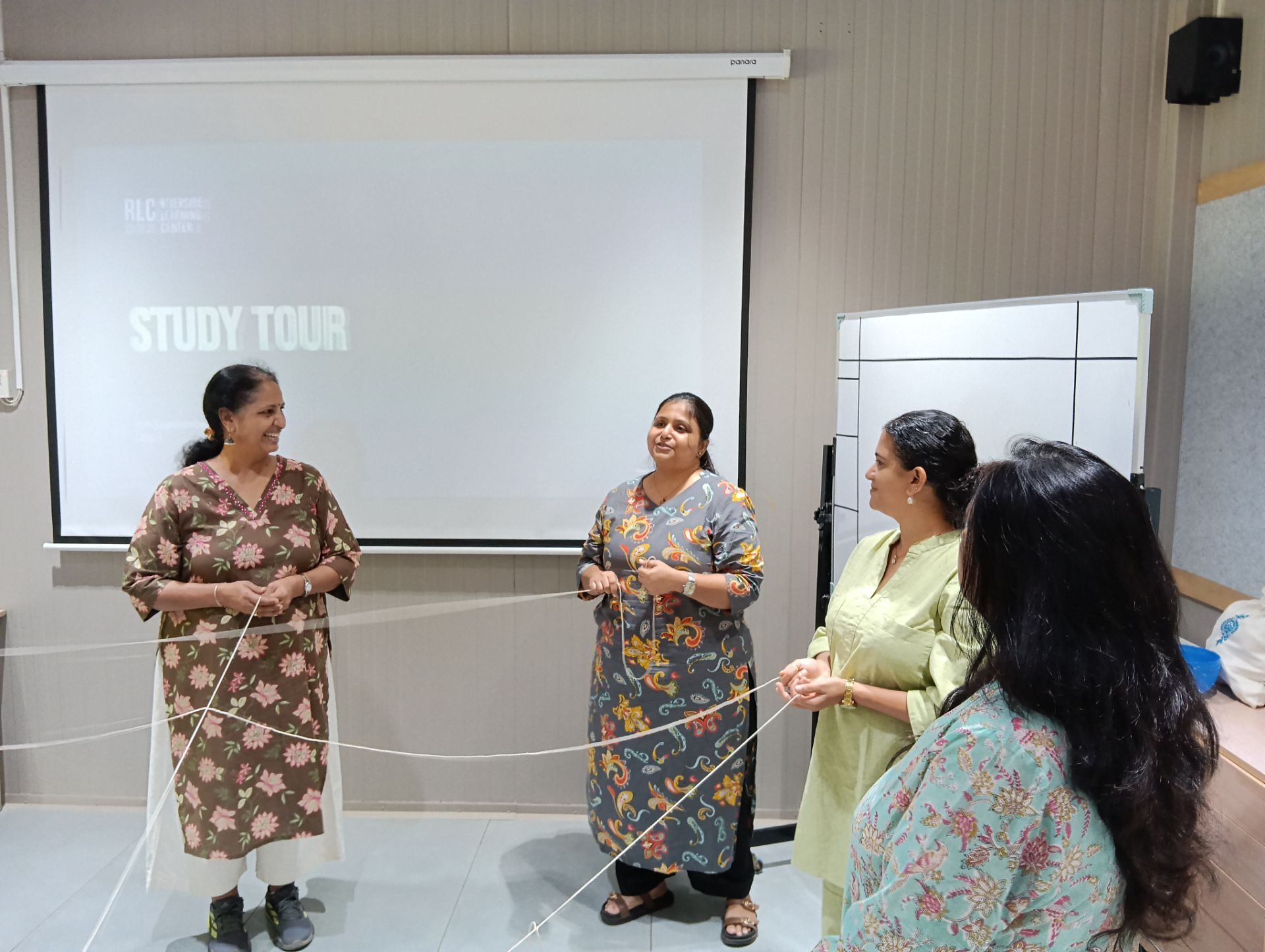
Culture in Action
Study Tour participants experienced Riverside’s culture embedded across everyday processes and practices, with children, educators, and leaders bringing the I CAN approach to life through observations, and interactions. |
|
|
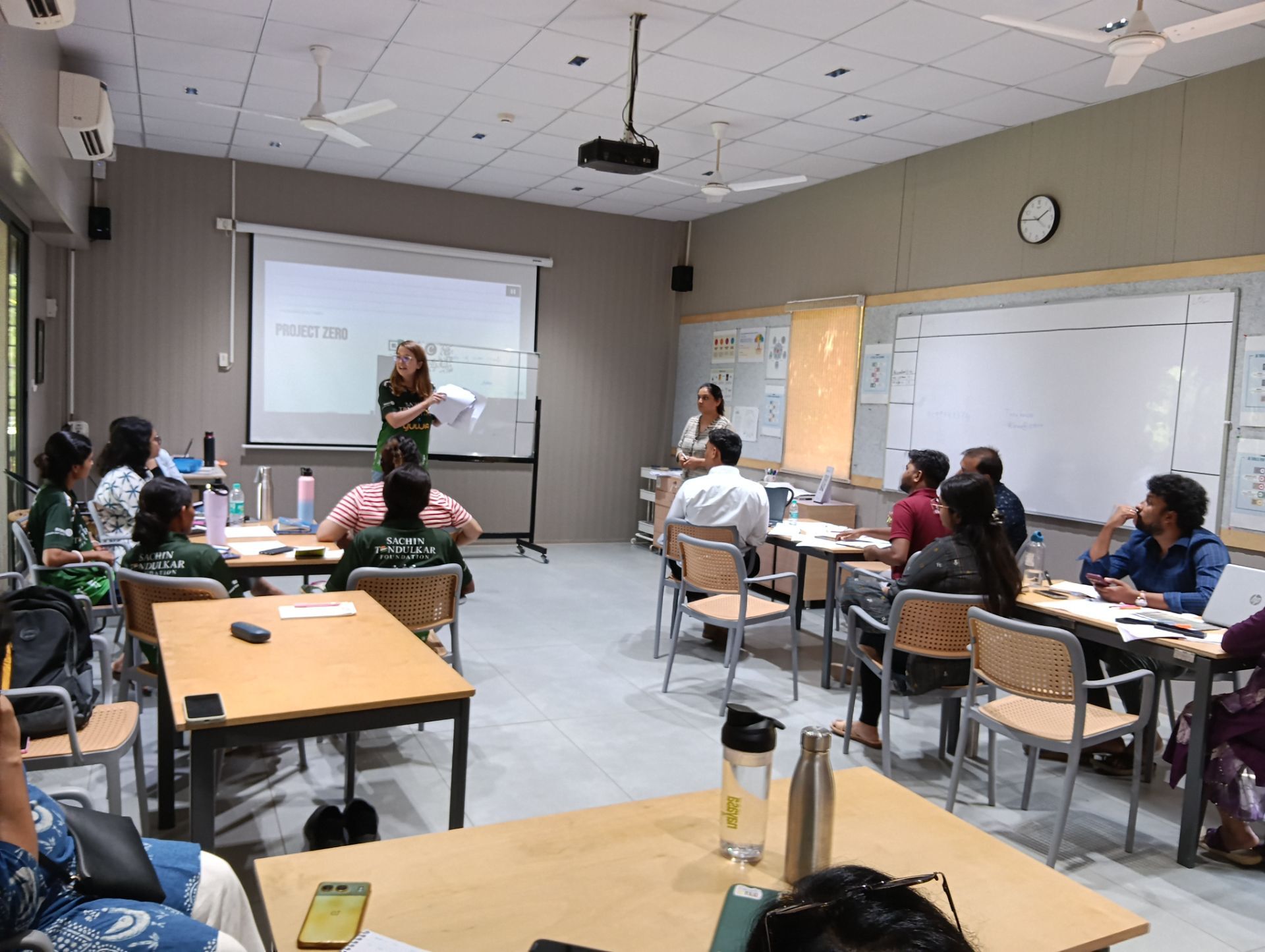
PBL, By Design
Twenty-four teachers from The Circle reflected during Touchpoint 3 on Project-Based Learning, exploring thinking routines, FIDS, and intentional planning to spark curiosity, critical thinking, and meaningful real-world learning experiences. |
|
|
Learning in Practice
Educators from Akanksha Foundation immersed themselves in Riverside’s classroom practices, observing pedagogy in action and exploring how intentional design, student agency, and relationships shape everyday learning experiences. |
|
|
|
What teachers wish they had more of Time. Riverside found a way to give some of it back.
Every teacher knows the trade-off. The more detailed the feedback a student needs, the longer it takes to grade, and the less time is left for the teaching that feedback is supposed to lead to.
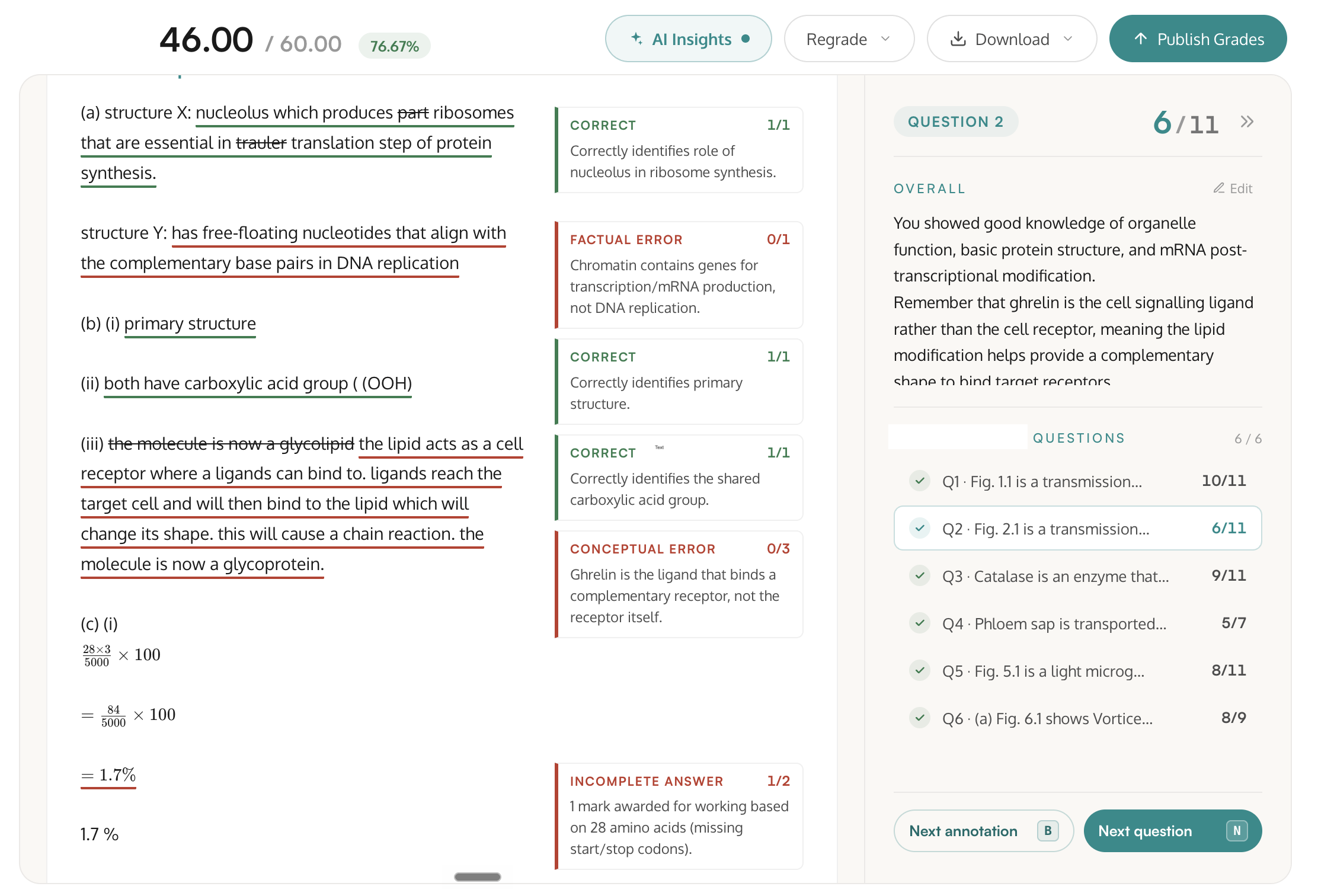
Since July 2025, Riverside's teachers have used Classi, an AI grading tool, to mark student work against their own rubrics. This year, the school expanded it to grades 6 through 12, and teachers have graded over 1,30,000 student answers, with every student receiving specific feedback on their strengths, mistakes and areas for improvement. Students use it too, to create and self-grade their own practice assignments.
"Classi frees up what matters most: time and energy for deeper teaching and learning. It's not just a tool, but a true friend to educators, with the potential to be a genuine game-changer in education." Kiran Sethi
The point was never to replace the teacher's judgment. It was to give it somewhere better to go.
|
|
Connect with the RLC Team |
At Riverside Learning Center, we work with school leaders to redesign learning systems from timetables to leadership practices so that the vision becomes a lived daily experience.
Write to us to explore our leadership programs and other offerings |
We present to you ‘Every Child Can’ a book by Kiran Bir Sethi on Riverside School's Design-Led Approach to Empower Children
Every Child CAN unveils Riverside School's innovative approach, centered on nurturing children's agency and character. Through vivid experiences and case studies, the book showcases how Riverside has redesigned education, encompassing pedagogy, teacher training, scheduling, and community involvement. It introduces groundbreaking ideas and practices rooted in the design process, fostering confident, empowered individuals with an I CAN mindset.
|
|
|
|
|