Hello European Aquatics family
This month's newsletter mainly focuses on the amazing work of our athletes at our major events in August, with the big attraction being the European Aquatics Championships Paris 2026.
It covers their incredible achievements and historic successes, as well as the work going on behind the scenes at the competition to make European Aquatics even better as we head into our centenary year.
Roundups of our other corporate activities and the other events which took place this month are also included.
So, without further ado, see more below... |
|
PARIS 2026 – A CHAMPIONSHIPS TO REMEMBER
What a summer it has been for European Aquatics!
For 17 unforgettable days, Paris became the centre of European aquatics as outstanding performances, packed crowds, iconic venues and historic firsts combined to create a European Aquatics Championships that will live long in the memory.
Close to 1,200 athletes from 49 National Federations came together across swimming, diving, artistic swimming, open water swimming and high diving, with para swimming integrated into the Championships for the first time.
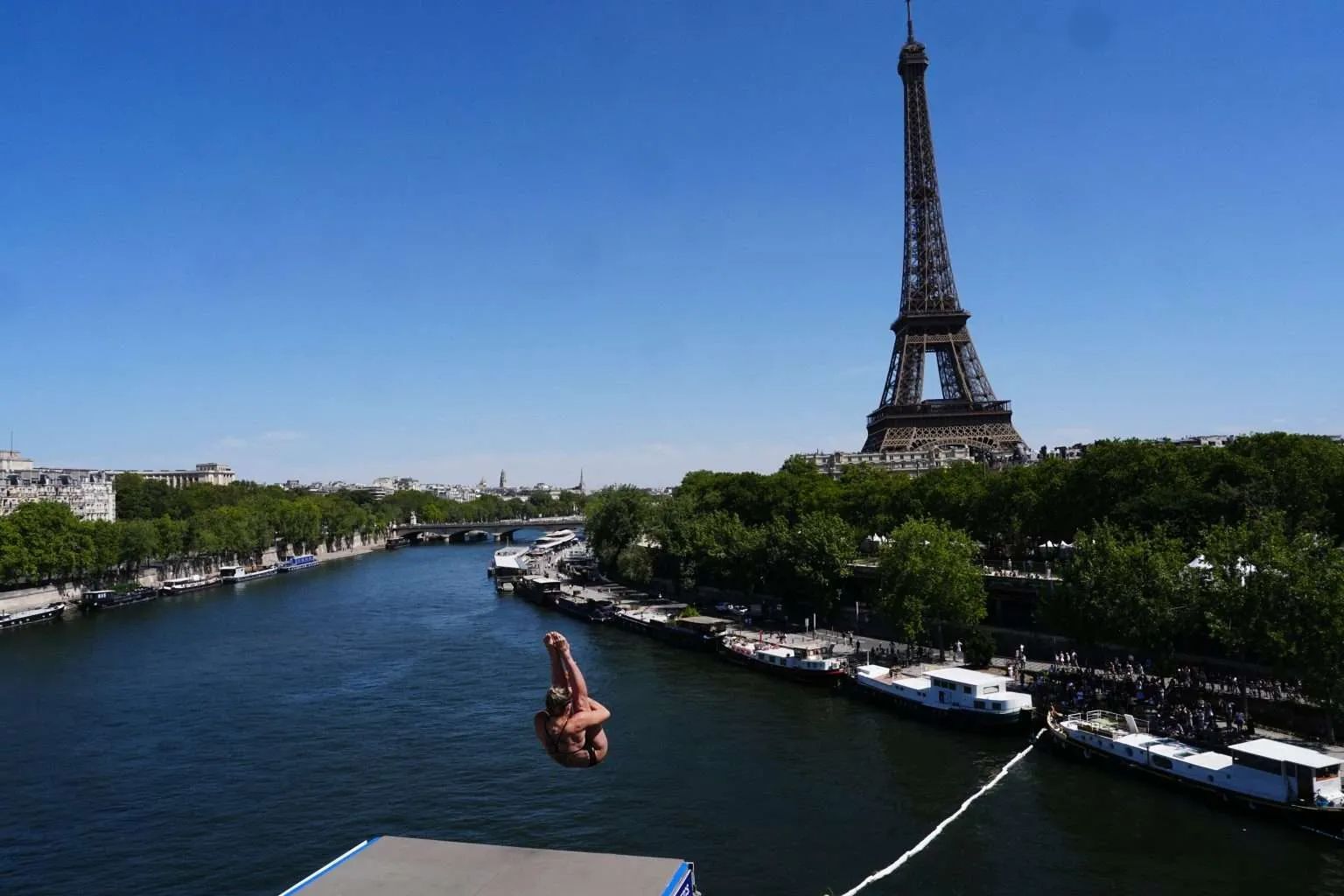
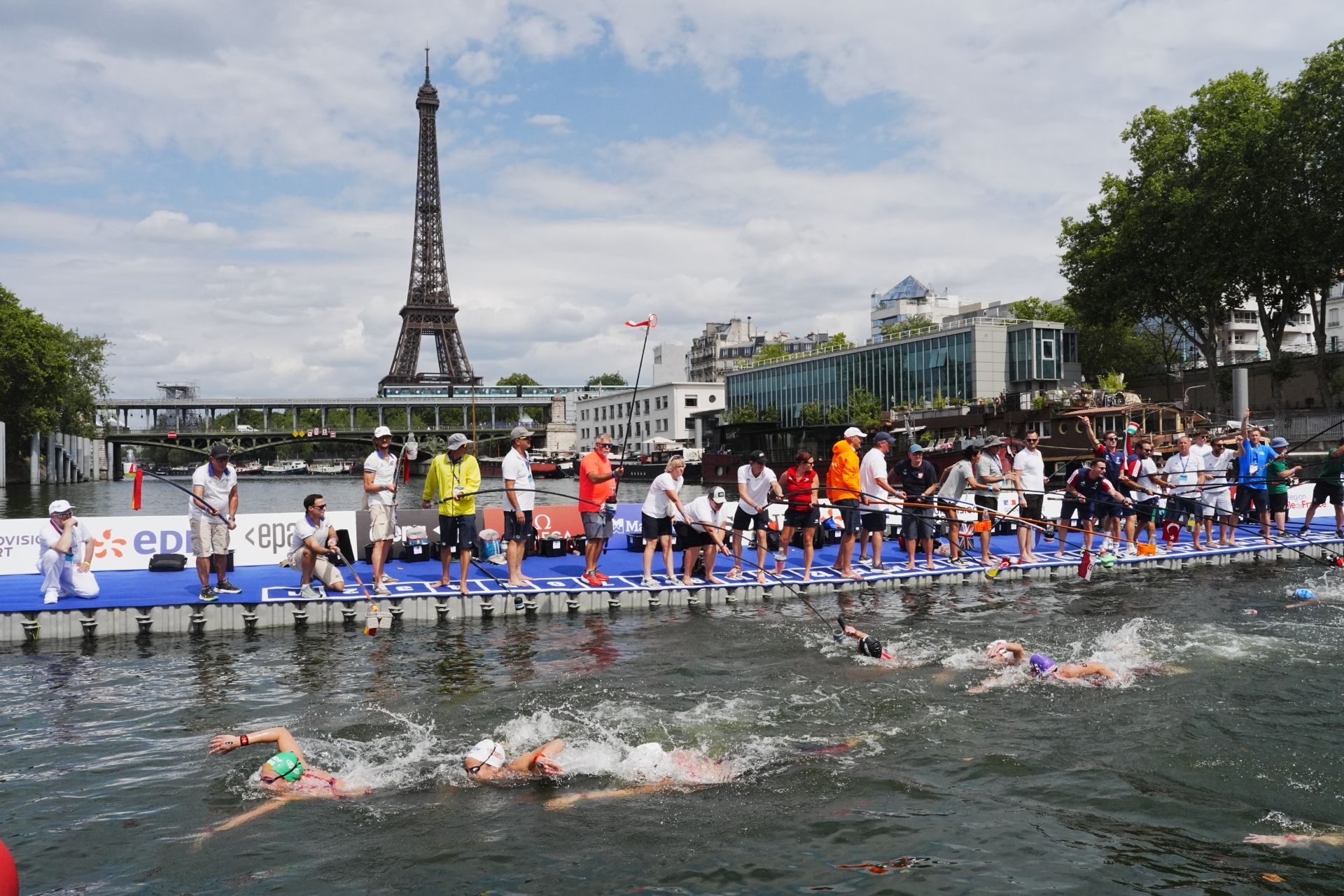
Two years after Paris 2024, the Olympic Aquatics Centre once again provided a magnificent stage for world-class sport. But Paris 2026 also took aquatics into the heart of the city. Open water swimmers raced in the Seine, while high divers launched themselves from a 20m platform at Pont de Bir-Hakeim with the Eiffel Tower providing an extraordinary backdrop.
The result was a celebration of sporting excellence, Olympic legacy, inclusion and European Aquatics' growing role beyond the competition.
World-class performances. World records. Iconic venues. Inclusion. Education. Integrity. Water safety. Olympic legacy. And an international aquatics community brought together by sport.
None of it would have been possible without the athletes, coaches, officials, volunteers, National Federations, Local Organising Committee, Public Authorities, Sponsor Partners and Media. Merci beaucoup! |
SPORTING EXCELLENCE – EUROPE'S BEST DELIVER |
ARTISTIC SWIMMING – TOMBLIN MAKES IT FOUR
Artistic swimming provided a spectacular opening to the Championships, with 11 European titles contested.
Great Britain's Ranjuo Tomblin emerged as one of the stars of Paris, winning an extraordinary four gold medals, including the men's solo free and both mixed duet titles with Isabelle Thorpe. The Alexandri sisters also enjoyed a memorable return, while Neutral Athletes B completed a hat-trick of team titles.
Spain's consistency across the programme ultimately earned them the Championship Trophy, bringing six days of outstanding artistic swimming to a close in front of a packed Olympic Aquatics Centre. |
|
DIVING – FIVE GOLDS FOR PHENOMENAL PELLACANI
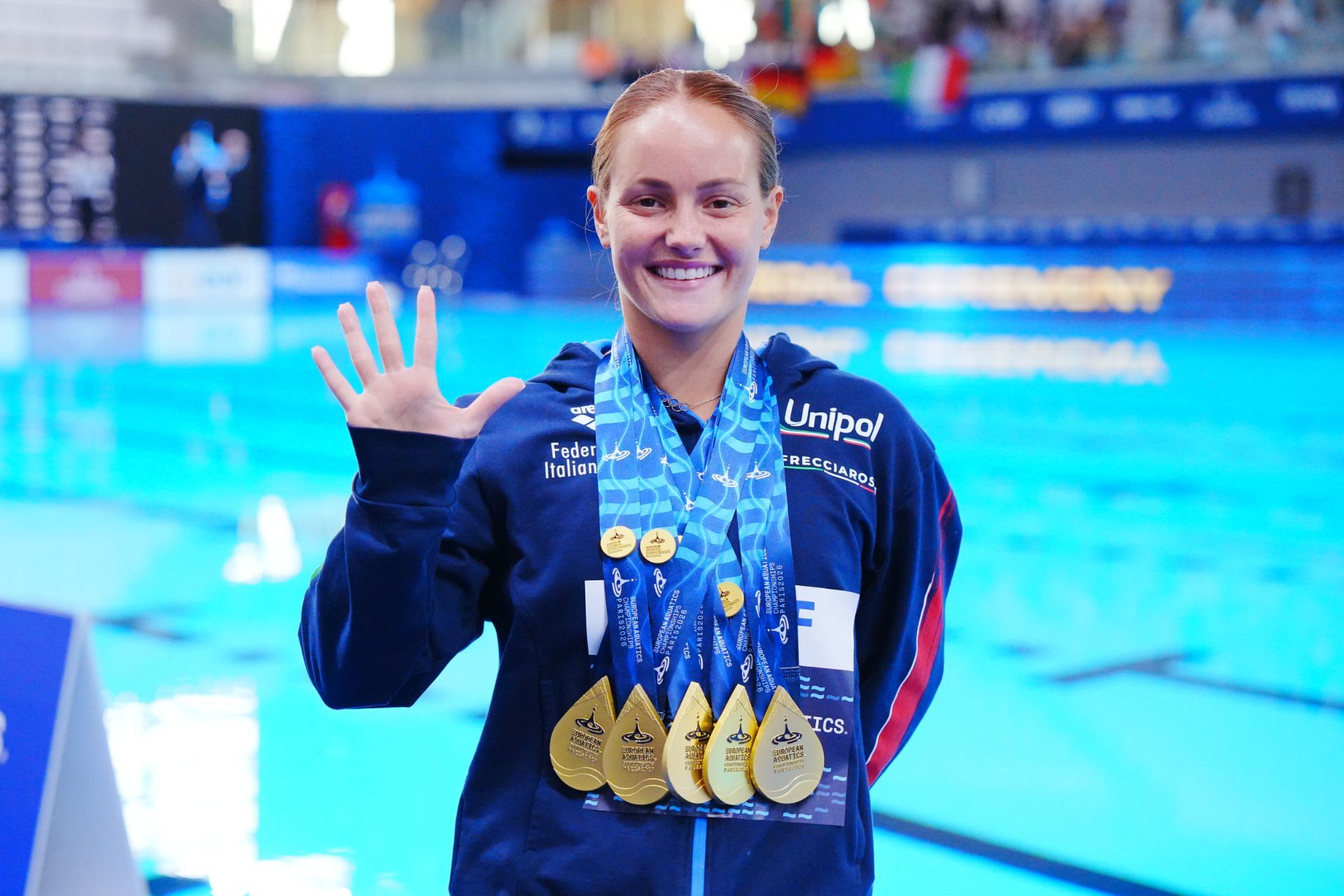
If one athlete defined the diving competition, it was Italy's Chiara Pellacani.
The 23-year-old won an unprecedented five European titles at a single Championships – mixed team, 1m springboard, 3m springboard, mixed 3m synchro and women's 3m synchro. No diver had previously achieved the feat.
Germany secured the overall Championship Trophy, while the final men's 10m competition provided another highlight as Ruslan Ternovoi produced a spectacular 100.80-point dive on his way to gold. |
|
HIGH DIVING – ICONIC IMAGES SEEN AROUND THE WORLD
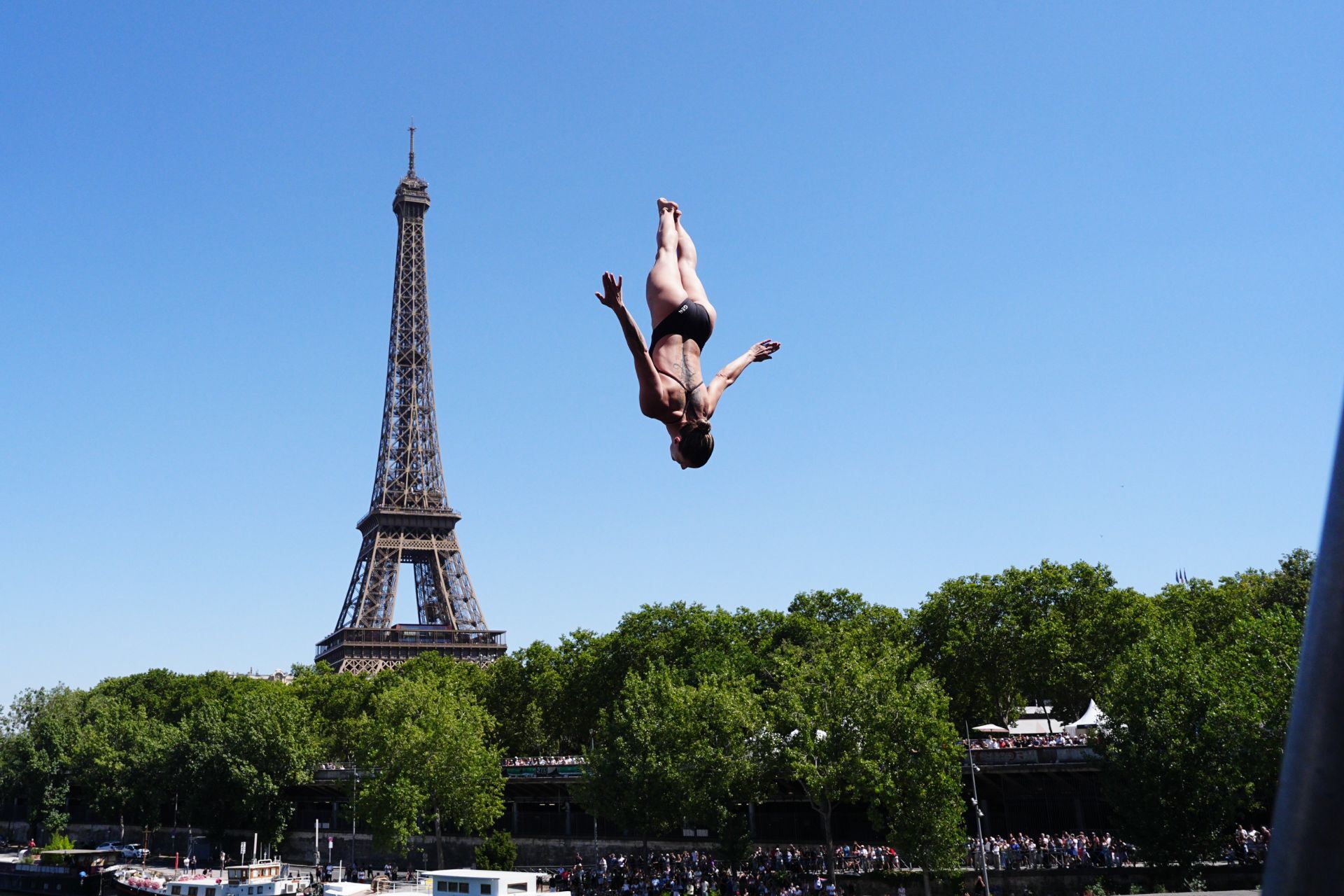
Few images captured the spirit of Paris 2026 better than Europe's high divers soaring above the Seine with the Eiffel Tower behind them.
Fifteen men and eight women competed from the 20m platform installed at Pont de Bir-Hakeim, bringing one of aquatics' most spectacular disciplines into the centre of one of the world's most recognisable cityscapes.
For European Aquatics, the importance went beyond the competition itself.
Paris demonstrated high diving's exceptional potential as a broadcast, photographic and city-promotion product. The combination of athletic courage, instantly understandable spectacle and an iconic setting generated imagery capable of reaching audiences far beyond traditional aquatics followers.
It also provided a striking illustration of the work undertaken by the French authorities to improve the Seine and restore the river as a place for sport and public enjoyment |
|
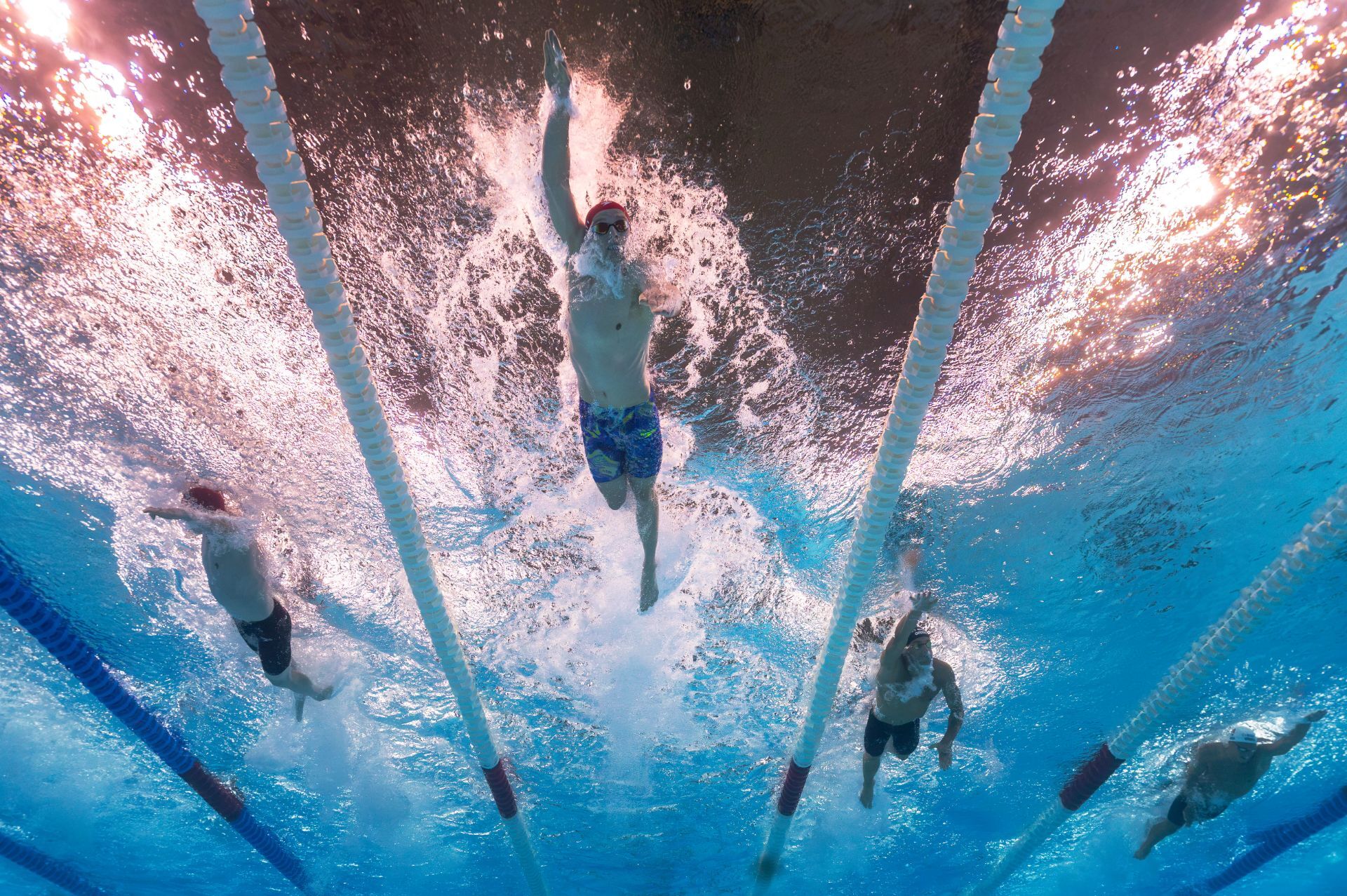
SWIMMING – RECORDS, STARS AND A ROARING HOME CROWD
The final week brought Paris 2026 to a thrilling conclusion.
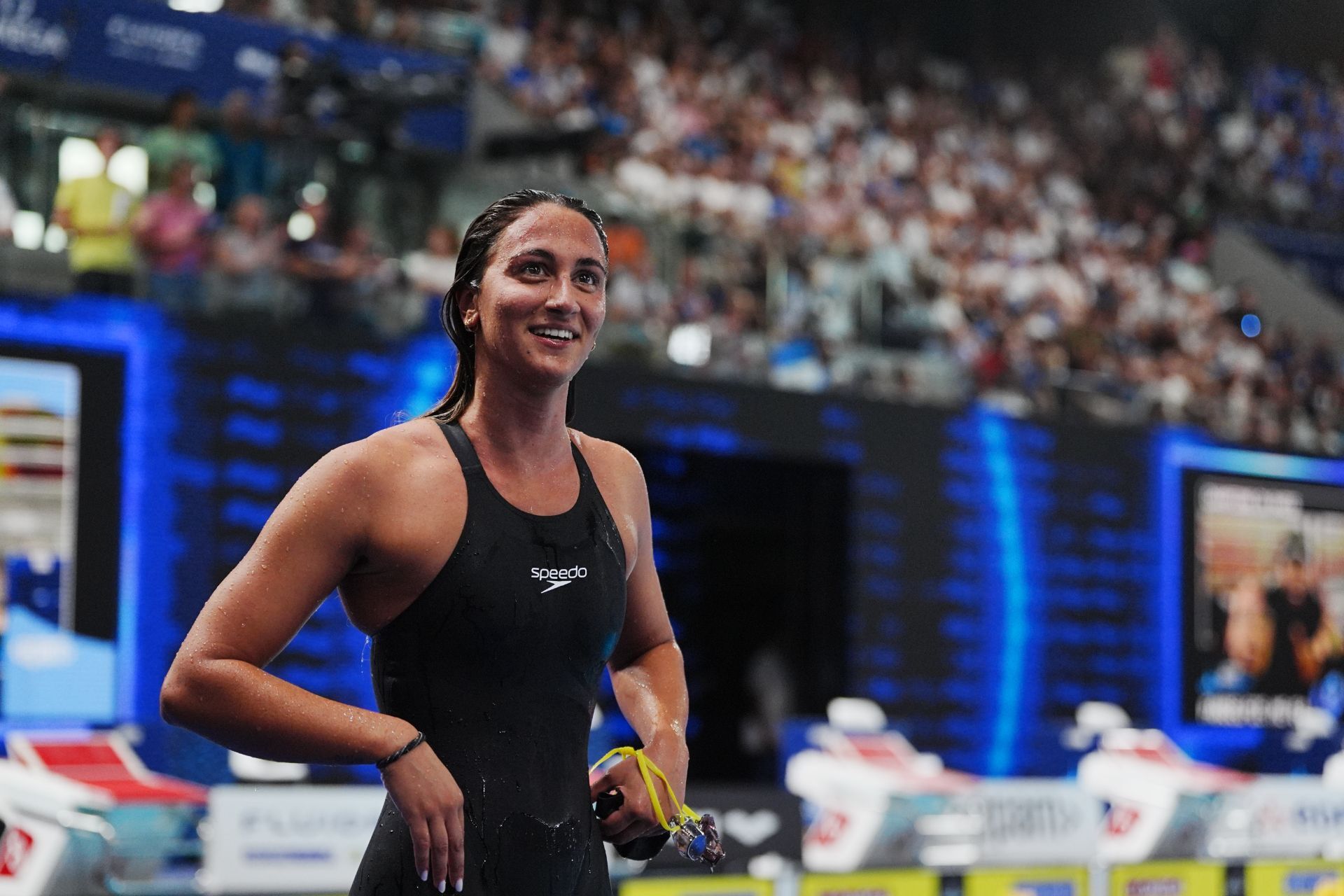
Italy's Sara Curtis, just 19, twice lowered the women's 50m backstroke world record – first to 26.63 and then to 26.56 as she claimed her first senior European title.
Hungary's Kristóf Milák produced another extraordinary performance, winning the 100m butterfly in a European record 49.48, just 0.03 outside the world record.
Then came another piece of swimming history. Germany's 19-year-old Johannes Liebmann became the first man ever below 14 minutes 30 seconds in the 1500m freestyle, demolishing the world record with 14:26.79.
And, inevitably, there was Léon Marchand.
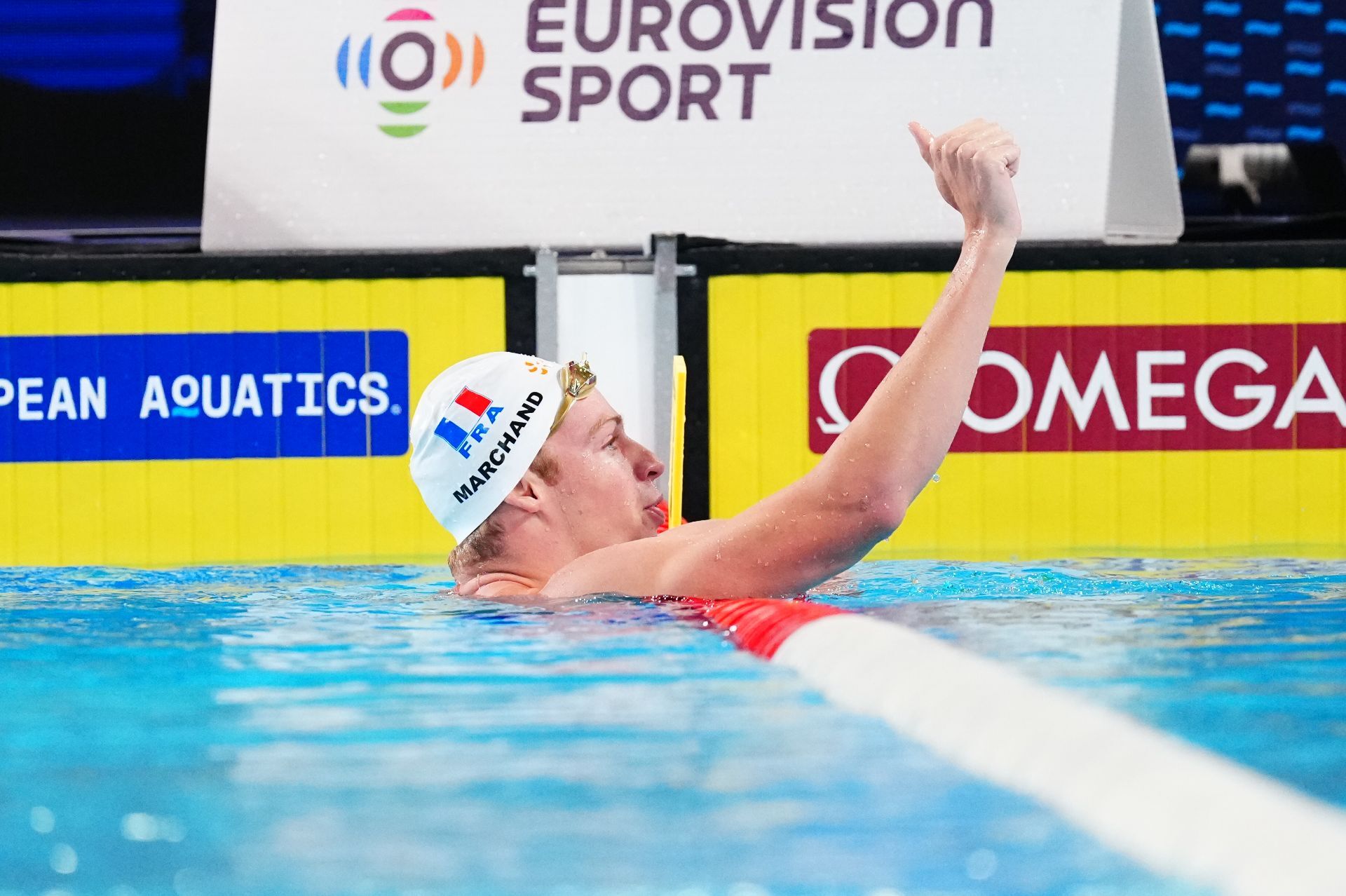
Returning to the Olympic Aquatics Centre where he became one of the faces of Paris 2024, the French superstar delivered in front of a passionate home crowd, including a superb 200m butterfly victory in 1:51.52 for his first European title.
The atmosphere throughout the final week underlined the extraordinary legacy of Paris 2024. The Olympic venue was not simply being reused but came dramatically to life again with world class performances and crowds.
Below are the numbers of records broken throughout the week:
|
|
SWIMMING FOR ATHLETES WITH DISABILITIES – HISTORY MADE, A PATHWAY CREATED
Paris 2026 marked a significant milestone as swimming for athletes with disabilities was integrated into the European Aquatics Championships programme for the first time.
Para swimmers from eight nations competed within the main Championships environment, demonstrating in the clearest possible way European Aquatics' belief that inclusion should become part of the structure of the sport rather than a parallel activity. But Paris was designed as a beginning, not an end.
A dedicated Para Swimming Workshop presented the findings of a European-wide review. 40 of European Aquatics' 52 National Federations responded to the survey, while 15 were identified as already having fully integrated para swimming programmes.
A new toolkit has now been developed around five areas – governance, organisation, education, events, and communications and marketing – with work beginning on a two-year development pathway.
President António Silva also confirmed the ambition to create the first European Aquatics short-course para swimming competition in 2027.
The message from Paris was therefore simple: Para Swimming is part of European Aquatics. |
|
OPEN WATER SWIMMING – THE SEINE DELIVERS
The Seine provided one of the defining settings of Paris 2026.
Germany's Florian Wellbrock and Italy's Ginevra Taddeucci both completed impressive 10km and 5km doubles, while the new generation also made its mark across the knockout competition.
Germany finished the programme with mixed relay gold, while Italy's strength in depth across the individual races earned it the overall Open Water Team Trophy.
More importantly, racing through the centre of Paris demonstrated just how powerfully aquatics can connect elite competition with a host city and its people. |

|
|
The Championships also provided a platform for European Aquatics to bring together its Member Federations around some of the most important issues facing the sport.
SWIM SAFE EUROPE – FROM PARTICIPATION TO SAVING LIVES
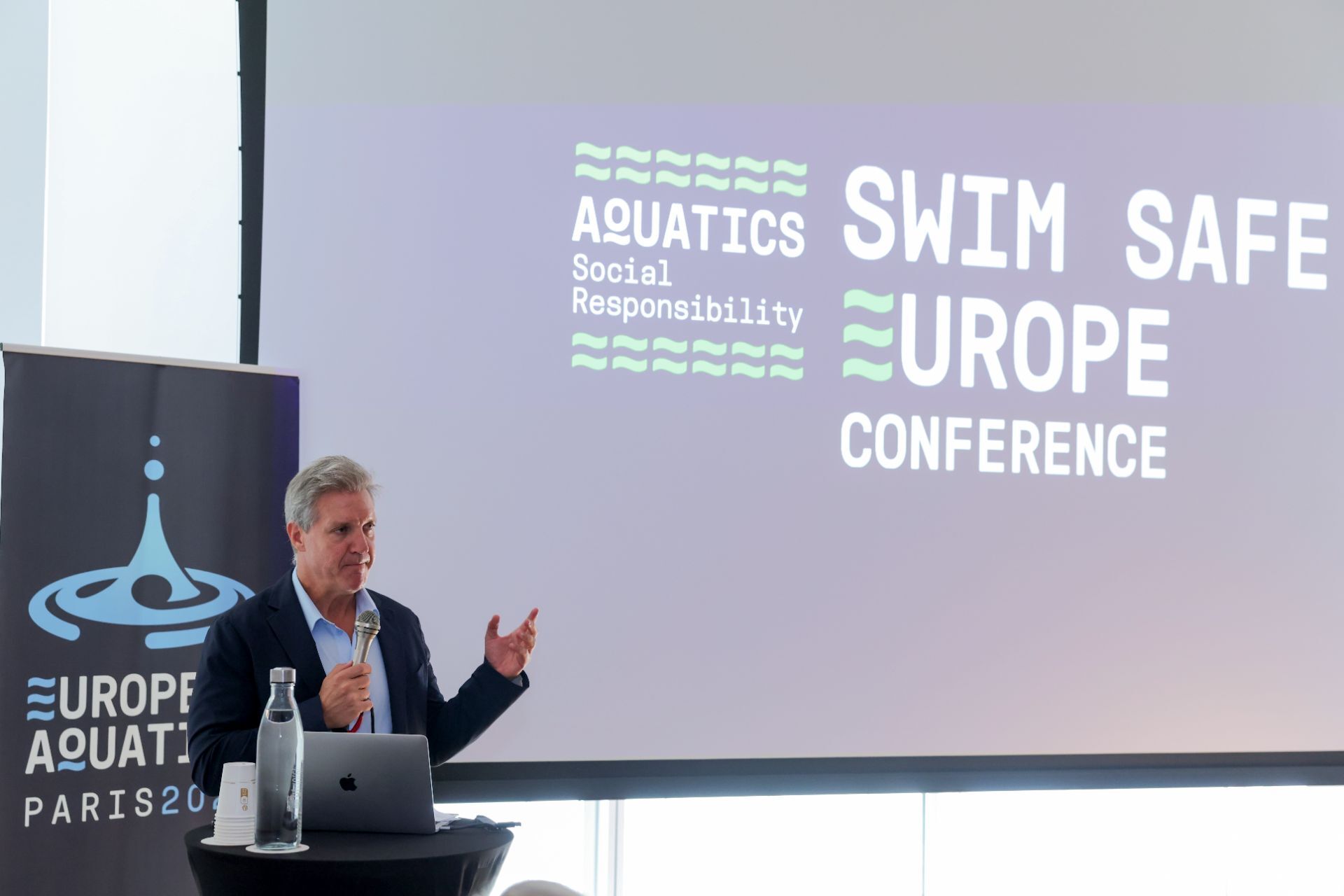
The Swim Safe Europe Conference, held on 7–8 August, brought together National Federations, researchers, coaches, educators and policymakers to examine Learn to Swim, aquatic literacy and drowning prevention.
The programme combined scientific research with practical experience and included work around the AquaSafe Kids project, coach education and national Learn to Swim programmes.
Fourteen National Federations had successfully completed the Swim Safe Europe certification process, demonstrating the growing reach of common European standards while allowing programmes to respond to national circumstances.
The message was particularly appropriate during Europe's biggest aquatics event: before there can be champions, children must first have the opportunity to become safe and confident in water. |
|
INTEGRITY GATHERING – 50 REPRESENTATIVES AROUND THE TABLE
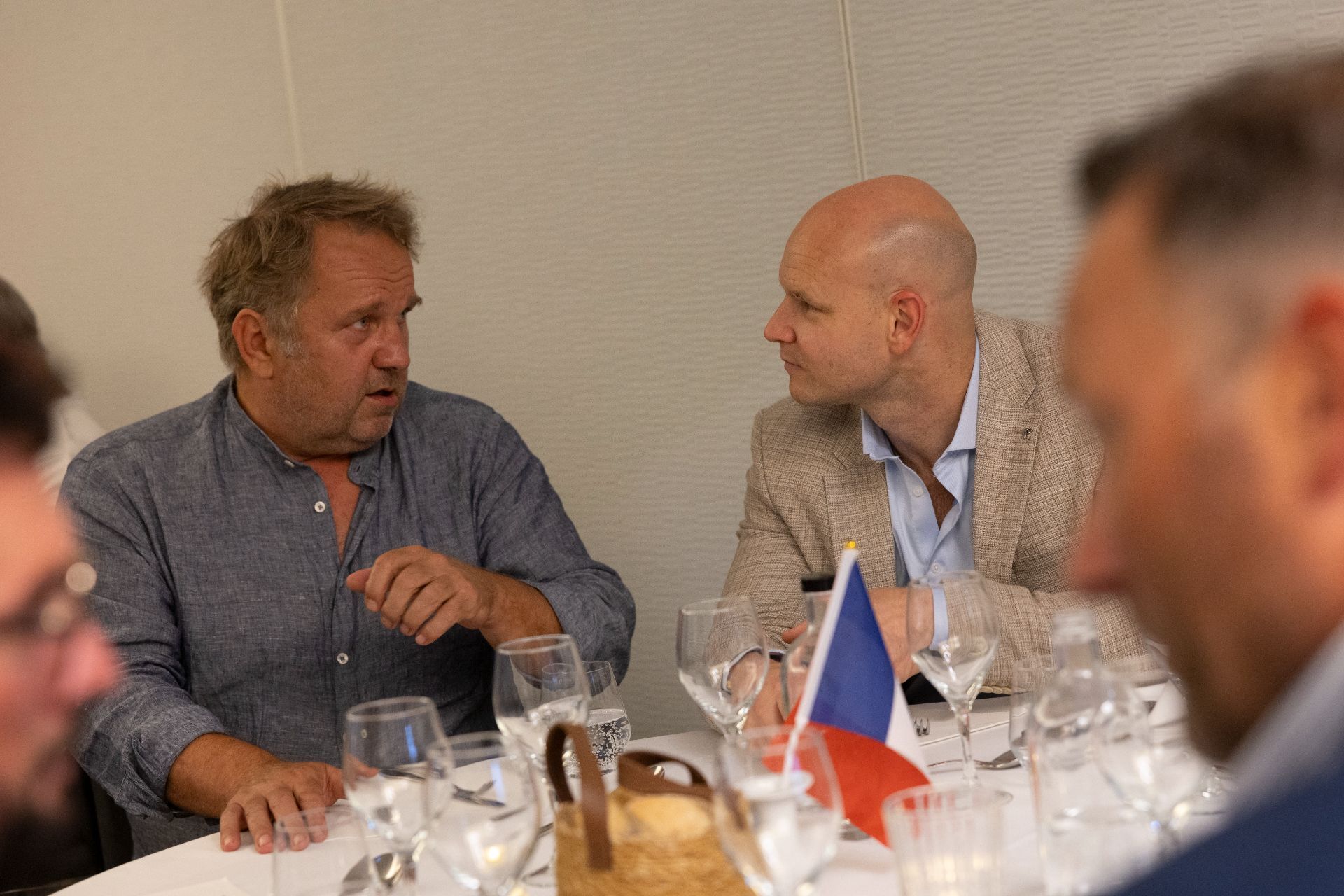
On 12 August, 50 representatives from National Federations, the European Aquatics Bureau and European and World Aquatics integrity structures came together at the Olympic Aquatics Centre.
The dedicated meeting focused on integrity, ethics and safeguarding, including the EA Integrity Code, reporting mechanisms and cooperation between international and national bodies.
Importantly, the meeting also allowed Member Federations to share experiences and contribute directly to future priorities.
Paris was also an important meeting point for the European Aquatics family. Throughout the Championships, European Aquatics worked closely with the Fédération Française de Natation, Métropole du Grand Paris and the national, regional and local public authorities whose collaboration made such an ambitious event possible.
The Olympic Aquatics Centre itself remains one of the clearest examples of the tangible legacy of Paris 2024, while the successful use of the Seine demonstrated what can be achieved through long-term public investment and cooperation. |
|
BUREAU MEETING IN PARIS
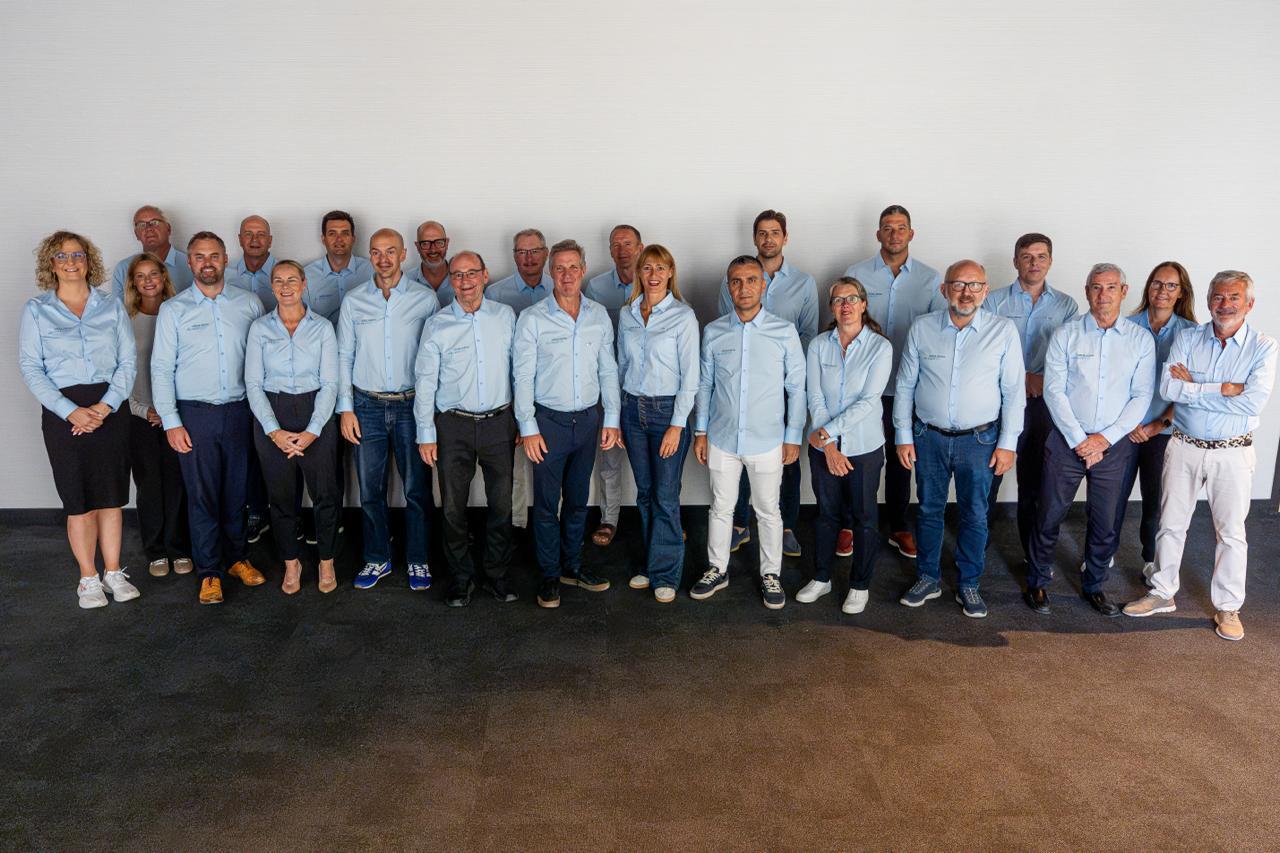
With Paris 2026 providing the backdrop, the European Aquatics Bureau also came together to review progress and take decisions on the next phase of the federation's development.
Hosted during an exceptional European Championships, the meeting provided an opportunity to recognise the successful delivery of European Aquatics events across the continent and the outstanding opening days in Paris – from diving and artistic swimming at the Olympic Aquatics Centre to the spectacular open water and high diving competitions on the Seine.
Bureau members also paid tribute to the Fédération Française de Natation and its President Gilles Sezionale, together with the French national and local authorities and partners whose cooperation had made such an ambitious Championships possible. The Bureau approved the 2025 financial accounts and reviewed preparations for the remaining 2026 competitions, including the European Aquatics Masters Championships, as well as progress towards the upcoming General Assembly and Conference in Baku.
Members also continued work on the federation's longer-term institutional development, including the future European Aquatics headquarters and implementation of the Strategic Plan 2024–2030.
Education and Member Federation support remained prominent. The Bureau supported plans to establish Regional Education Clusters, designed to strengthen education for coaches and officials and make expertise more accessible across different parts of Europe. It also backed development of a more structured staff-support programme for Member Federations.
The discussions reflected a theme running throughout Paris 2026: European Aquatics is increasingly using its major events not only to stage outstanding competition, but as meeting points for sport, governance, education, integrity, social responsibility and the future development of its 52 Member Federations. |
|
|

|
100 YEARS – AND JUST GETTING STARTED
Paris also provided the perfect setting to begin another journey.
At a special Gala Dinner at the Pavillon Elysée on the Champs-Élysées, European Aquatics formally launched the build-up to its Centenary.
The moment connected the present with the past: Paris 2026 took place exactly 100 years after the first European Aquatics Championships were staged in Budapest in 1926, while 2027 will mark a century since the formal establishment of the federation.
President António Silva paid tribute to the athletes and to the French partners who had made Paris possible before looking ahead to a year of activities designed to honour European Aquatics' history while focusing firmly on its future. |
|
PARIS 2026 – MILLIONS WATCHING IN FRANCE The sporting performances were matched by an exceptional response from television audiences in the host country.
France Télévisions' figures for the Paris European Aquatics Championships specifically provide an impressive first indication of the event's media impact:
2.2 MILLION - Average audience on France 2 20.8% - Average audience share +500,000 VIEWERS - Compared with the previous comparable European Championships broadcast in 2022 No.1 - France 2 was the audience leader in its time slot
And when Léon Marchand took centre stage, the figures climbed even higher: 3.5 MILLION - watched his 200m butterfly victory 4.4 MILLION - watched his 400m freestyle gold
These figures relate specifically to the European Aquatics Championships coverage in France and underline the ability of elite aquatics to attract a major free-to-air television audience.
France Télévisions also provided extensive digital coverage of the Championships, including exclusive coverage through its dedicated sport channel. We will provide a fuller picture of European Aquatics' digital and social-media performance once final event analytics have been consolidated.
The international picture is still to come. The full EBU report, incorporating consolidated pan-European television audiences, is not yet available. It will provide a much more complete assessment of the Championships' overall broadcast reach across Europe. |
|
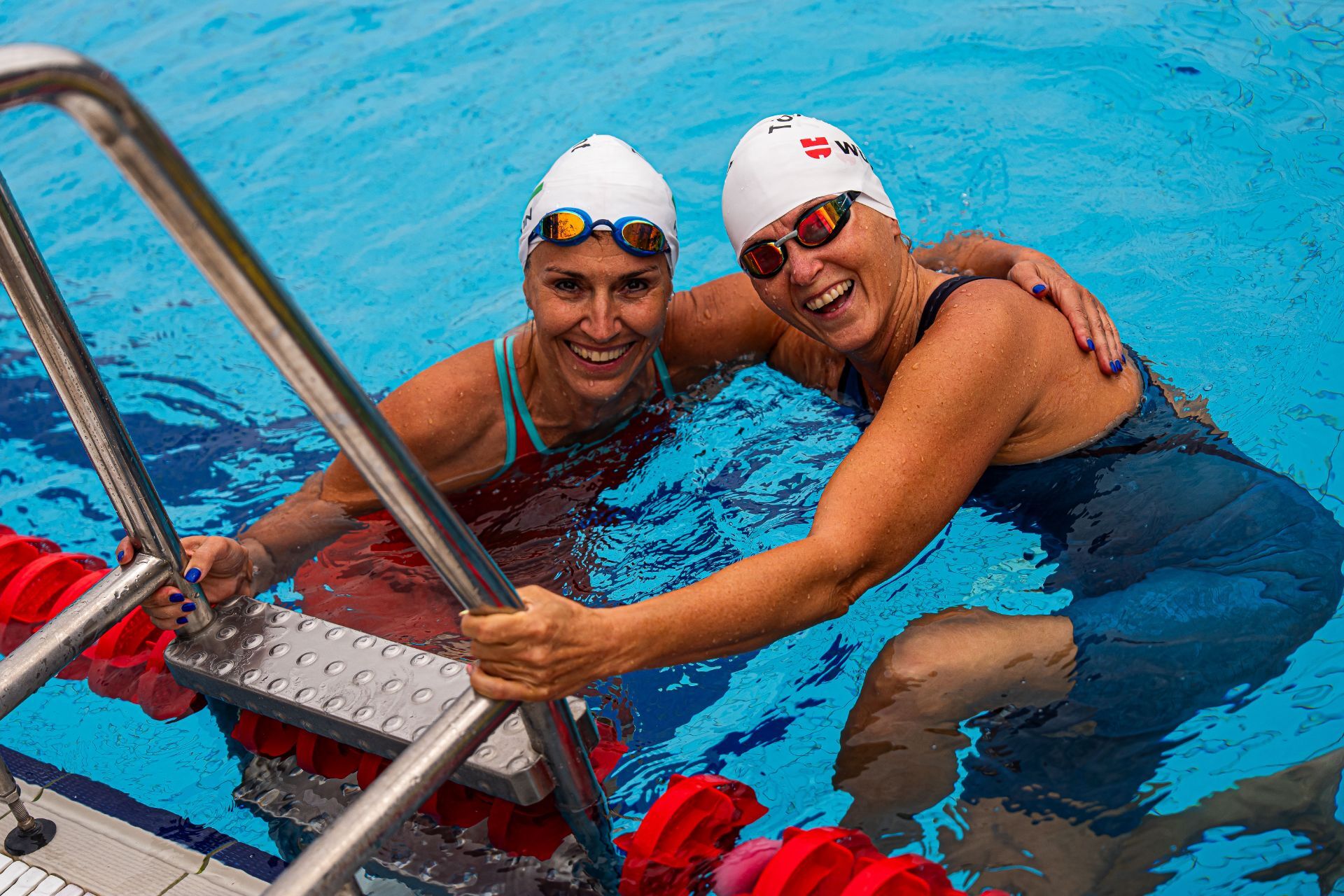
FROM PARIS TO THE MASTERS – UNITED BY WATER The excitement did not stop when Paris 2026 ended.
Attention moved to Šamorín, Bratislava and Graz, where the European Aquatics Masters Championships brought together the Masters community for a genuinely new type of European event.
Held from 19–30 August, this was the first standalone European Aquatics Masters Championships and the first staged across two countries.
Under the message “United by Water”, five disciplines are being staged across Slovakia and Austria: swimming, open water swimming, artistic swimming, diving and water polo.
The concept deliberately goes beyond medals. It combines competition with community, travel, health and lifelong participation, with Šamorín's X-BIONIC® Sphere providing the principal hub.
Most significantly, the Championships introduce a new approach to inclusion, welcoming Masters athletes with physical, visual, hearing and intellectual impairments within the event structure for the first time.
It is another practical expression of the philosophy demonstrated in Paris: aquatics should provide opportunities throughout life and should be accessible to everyone.
As competition continues this week, European Aquatics' social channels will follow the athletes, personalities and stories that make Masters sport such a special part of our community.
The competition also hit a landmark 5000 registrations, with the final figure being 5137.
The total number of registrations across each sport (alongside other attendees) is below:
Swimming: 2343 Artistic Swimming: 447 Diving: 149 Open Water Swimming: 532 Water Polo: 814 Coaches: 312 Friends & Family: 769
Total: 5137 |
|
|
|
WATER POLO – THE NEXT GENERATION TAKES CENTRE STAGE |
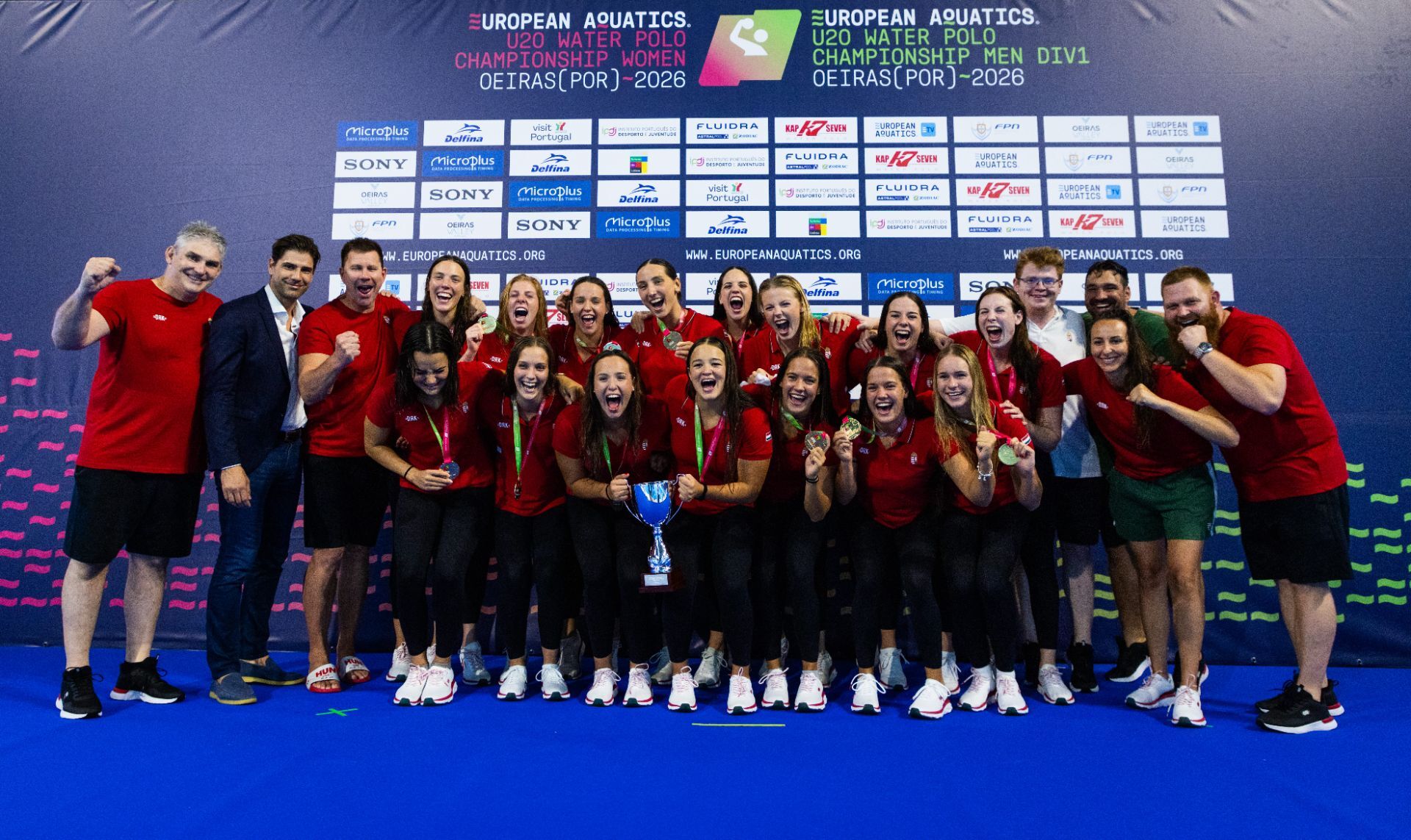
While Europe's leading swimmers, divers and artistic swimmers were competing in Paris, August was also a huge month for the next generation of European water polo.
The European U20 Championships brought together 48 teams across three competitions in Portugal and Bulgaria: 20 teams at the Women's U20 Championship in Oeiras, 16 at the Men's Elite Championship in Varna and 12 in the Men's Division I competition, also in Oeiras. The scale of participation provided another strong demonstration of the depth of European water polo and the importance of the age-group pathway.
OEIRAS – 20 TEAMS SHOWCASE THE FUTURE OF THE WOMEN'S GAME
The Women's U20 European Championships opened the month in Oeiras with 20 teams, combining Europe's established water polo nations with a broader group of developing programmes through the two-division competition system.
The quality was evident immediately. Spain arrived chasing a fourth consecutive European age-group title, while Hungary, Greece, Italy and the Netherlands were among a powerful field. Several athletes had already gained experience at senior international level, underlining the increasingly strong connection between Europe's youth pathway and the elite game.
The tournament also demonstrated the value of a format that creates meaningful competition across different levels. Great Britain and Serbia topped their Division Two groups, while hosts Portugal also progressed to the crossover phase, creating opportunities for emerging nations to test themselves against Europe's established powers. |
|
CROATIA COMPLETE A REMARKABLE 2026 SWEEP
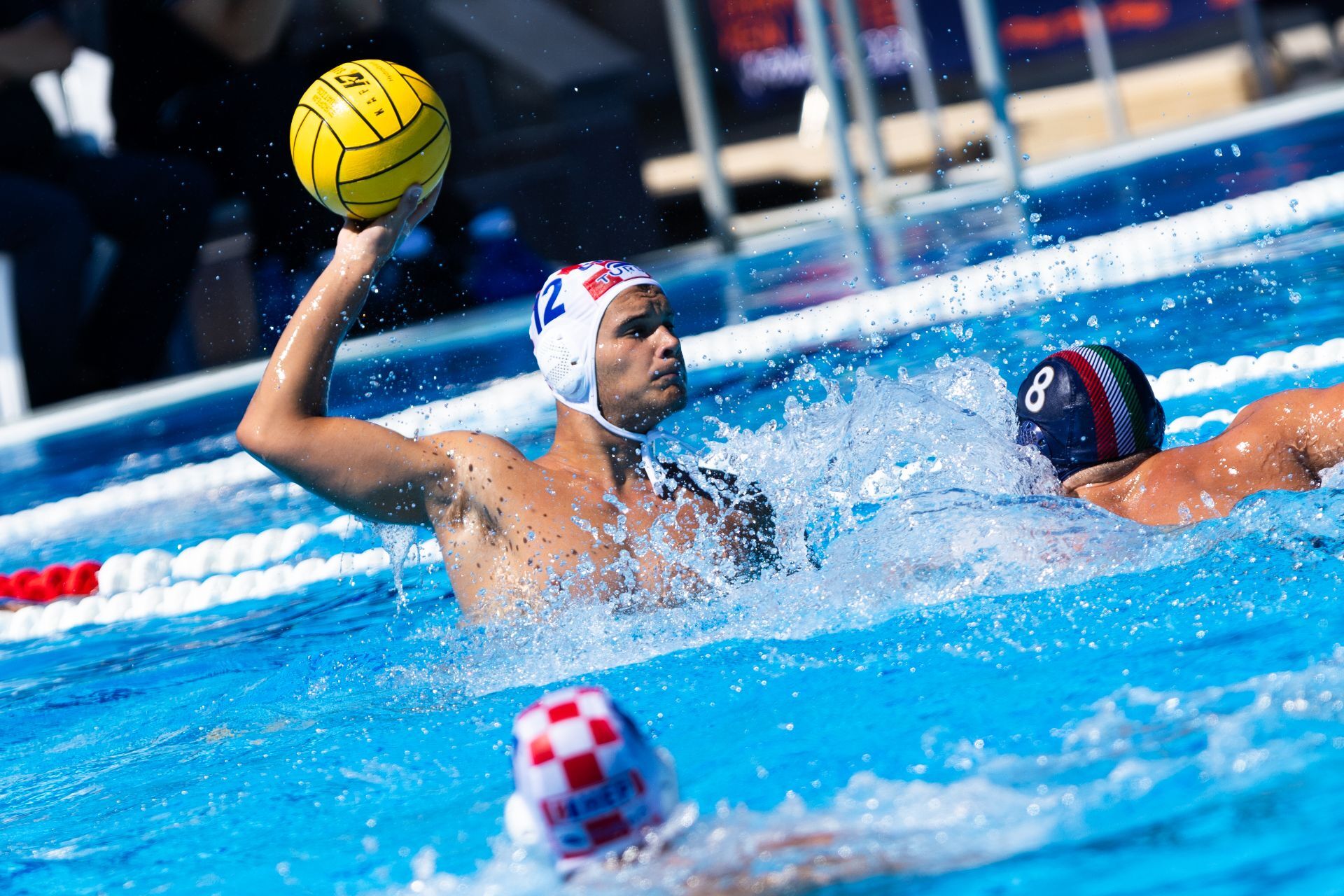
The men's competitions then took over, with the 16-team Elite Championship in Varna and 12-team Division I event in Oeiras running simultaneously from 10–16 August. Croatia provided the headline in Bulgaria, retaining the European U20 title and completing an extraordinary sweep of the European men's water polo titles in 2026. Their success reinforced Croatia's remarkable strength throughout the national-team pathway and provided another illustration of the quality of Europe's emerging generation.
In Oeiras, Neutral Athletes B and Israel reached the Division I final after unbeaten runs, with both securing promotion to the Elite Championship for the next edition. Israel's semi-final was particularly dramatic as they recovered from four goals down to defeat Poland 15–13.
But the week was about more than results. Olympic champion and five-time European Aquatics Player of the Year Filip Filipović joined the Oeiras event as a European Aquatics Athlete Ambassador, meeting around 80 young athletes and sharing lessons from one of the most successful careers in water polo history. It was a simple but powerful example of connecting today's young players with the champions who inspired them.
The Oeiras Championships also incorporated a dedicated sustainability and legacy programme, covering waste reduction, reusable bottles and refill points, sustainable mobility and a trained Green Task Force – another example of European Aquatics increasingly embedding its wider social responsibility objectives into competition delivery. |
|
|
|
|
|