|
|
WELCOME TO OUR APRIL 2026 UPDATES |
|
SPECIAL INVITATION TO YOU! JOIN IN THE GLOBAL FORUM NEXT WEEK!
April brings World Council’s signature annual event, the Global Forum, happening soon on April 20-23. And excitement is building as the Global Forum is only days away! I want to invite you to join us and colleagues from around the world for this amazing virtual annual event - we really hope YOU can be there. You won’t want to miss these rich days of the Global Forum when we will be inspired by peace activists Ela Gandhi and Dr. Siyabulela Mandela, by renown interculturalists Craig Storti and Dr. Carolyn Calloway-Thomas, and by global youth leaders from around the world who are engaged with UNESCO on Youth for Peace projects.
Speaking of UNESCO, colleagues in Paris will be giving a special UNESCO presentation during the Global Forum on the latest work they are doing on peace and intercultural dialogue, which are needed now more than ever. There will also be cutting edge research presented at the Intercultural Research Forum during the Global Forum, organized by World Council’s Grad Student Working Group. And don’t miss the poster presentations by colleagues from around the world, along with working group presentations by three of World Council’s working groups. There will also be ample time for networking and from learning from and with each other during the Global Forum. And for those who would like to receive training on UNESCO Story Circles, don’t miss the training workshop I’ll be leading on the very first day of the Forum. Coming together as a World Council community is needed now more than ever as the world faces some of its gravest challenges. Do join us on April 20-23 for a phenomenal experience - see you at the Global Forum next week!
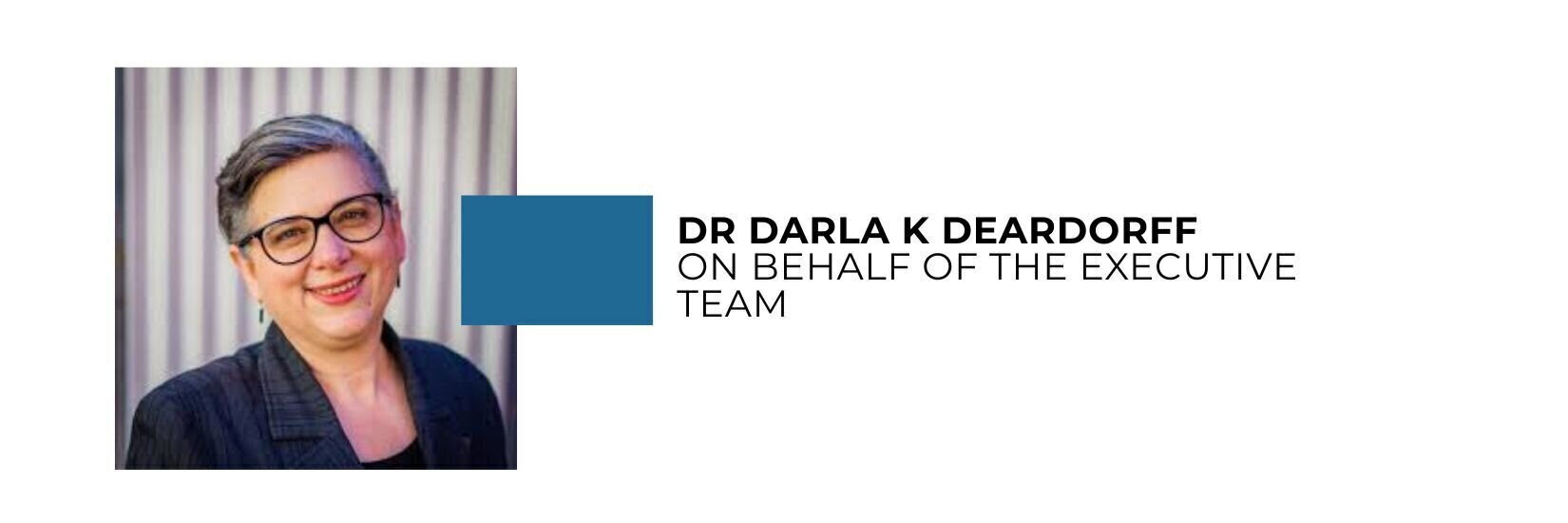
Darla K. Deardorff Founding President, World Council on Intercultural and Global Competence |
|
|
JOIN in the 6th Annual GLOBAL FORUM of the World Council on Intercultural and Global Competence (April 20–23) |
|
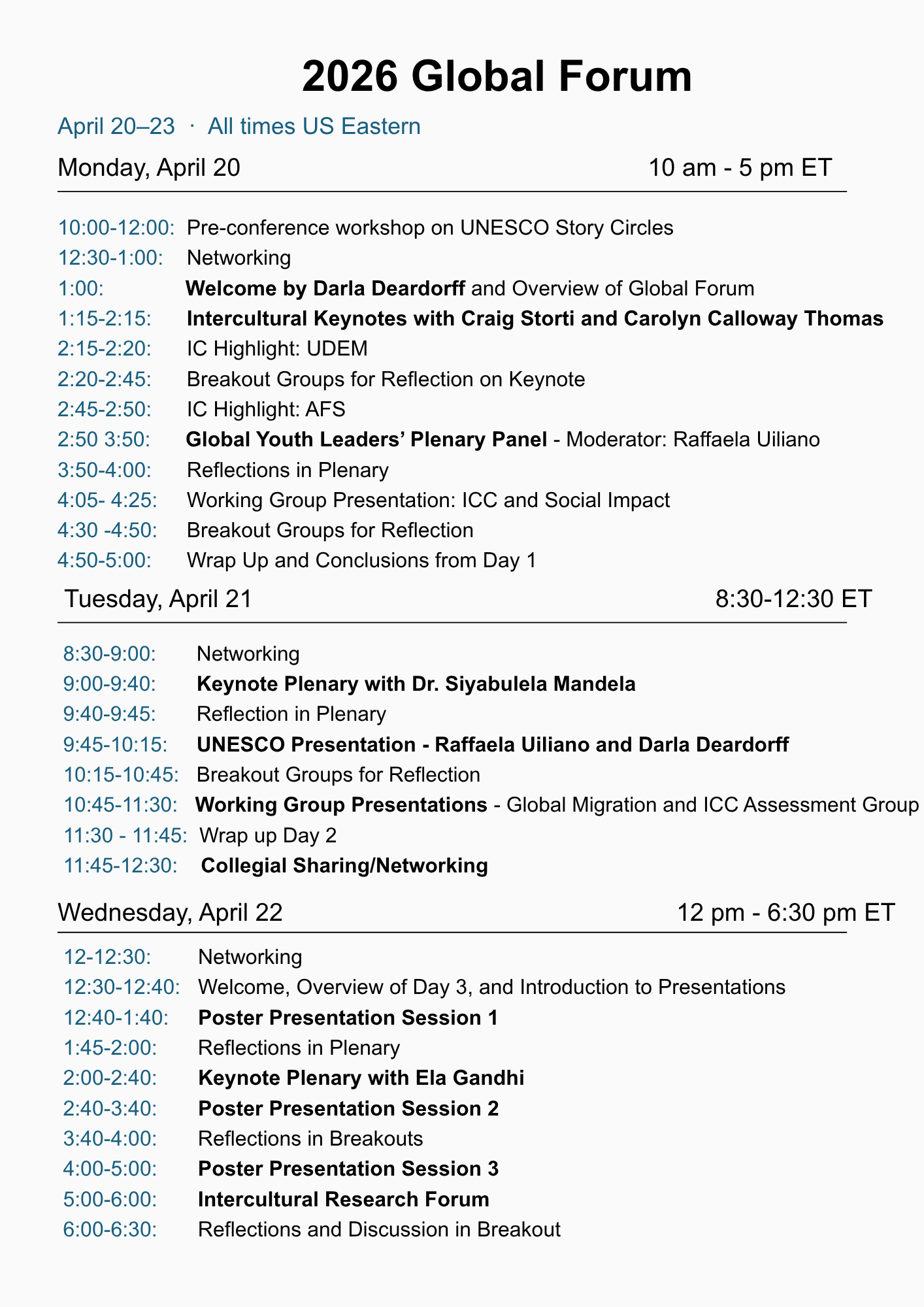
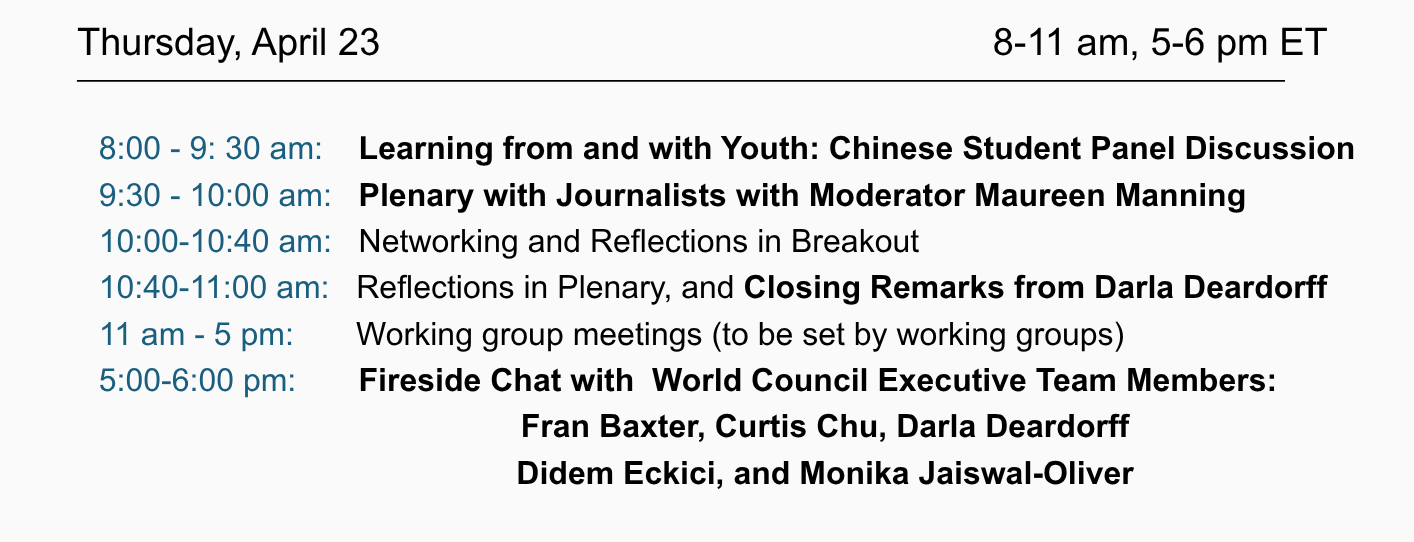
The World Council on Intercultural and Global Competence is pleased to invite you to its 6th Annual Global Forum, taking place virtually on April 20–23. As the signature annual event of the World Council, this gathering brings together practitioners, educators, students, researchers, and global leaders committed to advancing intercultural understanding and meaningful connection across differences. SEE THE GLOBAL FORUM SCHEDULE HERE IN THIS NEWSLETTER!
This year’s Global Forum offers a rich and dynamic program designed to inspire dialogue, deepen learning, and strengthen our global community. Participants will benefit from featured keynotes from intercultural bestselling author Craig Storti, renown intercultural scholar and past President of the World Communication Association Carolyn Calloway-Thomas, and peace activists Ela Gandhi and Siyabulela Mandela, each bringing powerful perspectives on intercultural competence, communication, and peacebuilding in today’s complex world.
|
|
|
|
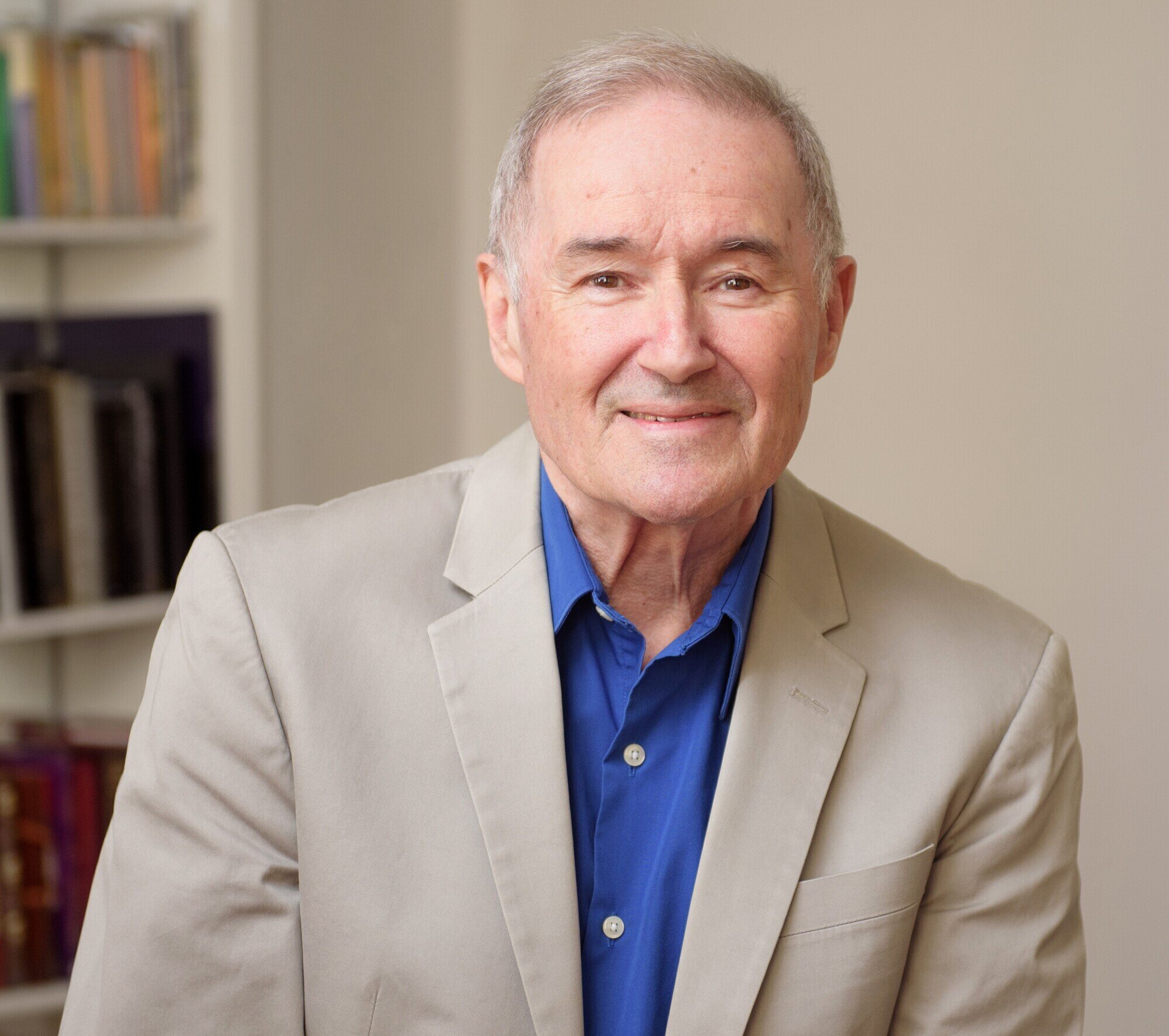
Craig Storti is an author and trainer in the field of intercultural communications. He has written 10 books in the intercultural field and has conducted training for a number of Fortune 500 companies, graduate business schools, the US military, the United Nations, the World Bank, and numerous US government agencies.
|
|
|
|
|
|
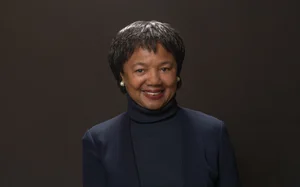
Dr. Carolyn Calloway-Thomas is past president of the World Communication Association and professor and director of Graduate Studies in African American and African Diaspora Studies at Indiana University Bloomington. She is author of Empathy in the Global World: An Intercultural Perspective and coauthor of several books on intercultural communication. Her research focuses on empathy and conflict, intercultural communication competence, and communication in Black America. |
|
|
|
|
|
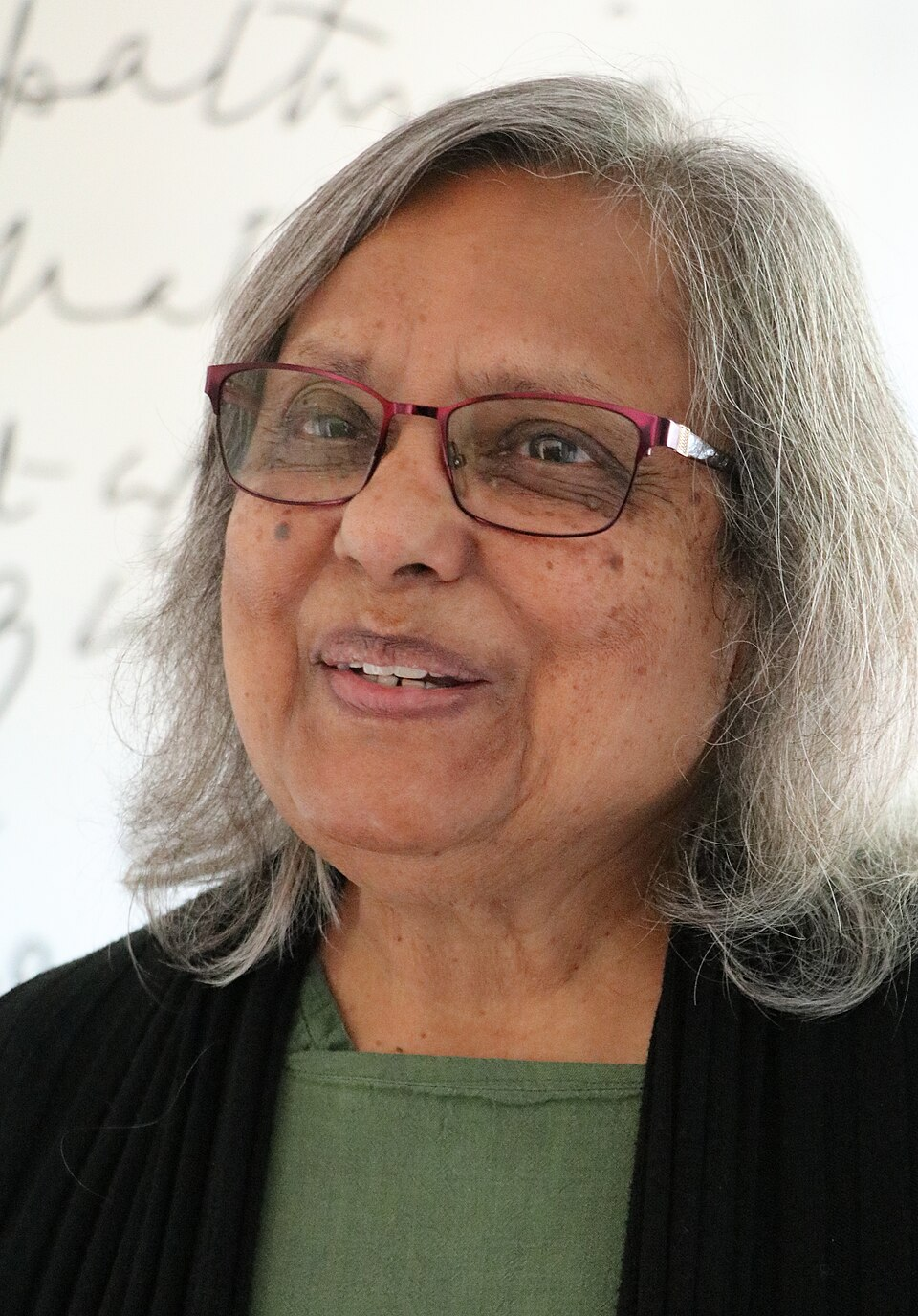
The Honourable Ela Gandhi is the granddaughter of Mahatma Gandhi and a lifelong anti-apartheid activist born in 1940 at the Phoenix Settlement in KwaZulu-Natal, South Africa. She served as an ANC Member of Parliament from 1994 to 2003 and leads organisations including the Gandhi Development Trust and Religions for Peace International, of which she is co-President. A recipient of four honorary degrees and the Indian Government's prestigious Padma Bhushan award, Gandhi has dedicated her life to advancing nonviolence and social justice. |
|
|
|
|
|
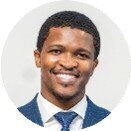
Dr. Siyabulela Mandela is a distinguished peace and human rights activist, scholar, and independent consultant specializing in human rights, international development, and conflict resolution. A descendant of King Ngubengcuka Aa Ndaba! of the Thembu Kingdom in South Africa’s Eastern Cape Province, he proudly bears the clan name “Madiba”—a title rich in heritage and legacy. |
|
|
|
In addition to these distinguished keynote speakers, the Forum will include a plenary panel discussion featuring global youth leaders, highlighting emerging voices and fresh perspectives on intercultural engagement in addressing global challenges. Another feature will be another plenary session featuring renown journalists. A special presentation by UNESCO will further connect participants to global initiatives shaping the future of education, inclusion, and intercultural dialogue.
The program also features a cutting-edge Intercultural Research Forum, offering a space to explore the latest scholarship in the field, alongside intercultural poster presentations from colleagues around the world that showcase innovative practices and research. Attendees can also look forward to presentations from World Council working groups, providing insight into ongoing collaborative efforts and opportunities for engagement.
Beyond the formal sessions, the Forum provides exceptional networking opportunities, allowing participants to connect, collaborate, and build lasting professional relationships across regions and disciplines. For those seeking a more hands-on experience, a pre-conference training for Facilitating UNESCO Story Circles will offer practical ways for fostering dialogue and understanding in diverse settings. With such a wide array of sessions and activities—and much more—this year’s Global Forum promises to be inspiring, enriching and energizing. Don't miss it!
Don’t miss World Council's signature annual event! Register today!
(Note that recordings will be made available to all those who register to better accommodate those participating from different time zones.)
With special appreciation to Global Forum sponsors AFS Intercultural Programs, Ivy Global Scholars, The Global Nexus Collective, and Europass Teachers Academy.
Deep gratitude to University of Monterrey (UDEM) for their partnership on the Global Forum.
|
|
INVITATION TO YOU: JOIN COLLEAGUES IN THE WORLD COUNCIL'S ONLINE COMMUNITY
World Council's online community platform is easy to join, GDPR compliant, and designed to support international academic and community collaboration. It is accessible, secure, safe, and compatible with all browsers.
To join the World Council online community (where all the "magic" happens!): 1. Click this link: Link 2. Create a Linkr account and authenticate your email. It’s quick to do! 3. You're in! If you have World Council membership (it's free membership!), you will be approved by our administration team, and at that point, you can check out all the working groups and request to join any that are of interest to you. You can also engage in our member conversations (in Conversations!). If you are not yet a member of the World Council- see the link in this newsletter and join now. 4 . Engage online! Introduce yourself under the "Conversations" tab and then click on the "Groups" tab to see all the working groups you can join. Just click on the one(s) you wish to join. Joining at least one working group is the best way to get involved!
|
|
Volunteer Spotlight: Emma Davis |
|
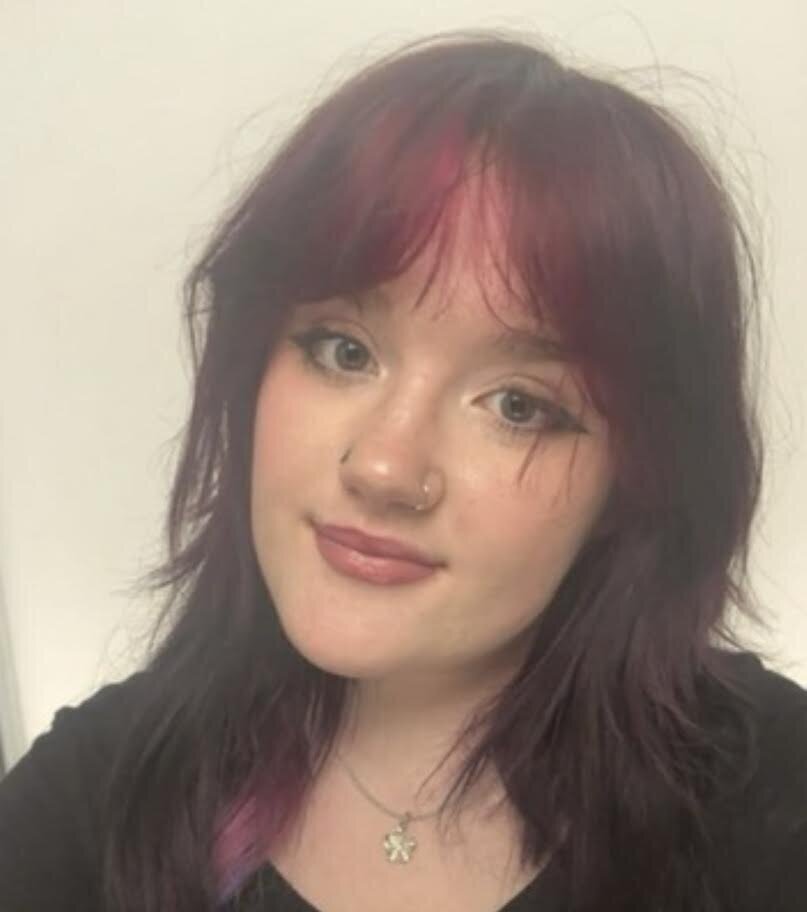
The Working Group on Youth for Peace and Sustainable Development is pleased to announce its new co-coordinator Ms Emma Davis. Hailing from London, United Kingdom, Ms Emma Davis is a Welsh A-Level student studying Mathematics, Further Mathematics, Religious Studies, Sociology, Law, and the Welsh Advanced Skills Baccalaureate. She will soon begin a BSc in Politics and International Relations with a minor in Intercultural Communication at the University of Exeter. Inspired by a Harvard SSP course with Dr. Deardorff, Emma advocates youth engagement in intercultural competence and presents internationally on fostering dialogue across borders.
If you would like to be featured in a monthly volunteer spotlight or would like to express gratitude to a World Council volunteer, contact info@iccglobal.org. |
|
Affiliate Spotlight: UNESCO Chair on Intercultural Competence |
|
The UNESCO Chair on Intercultural Competence is based at Stellenbosch University in South Africa and it focuses on advancing African voices, scholarship, and perspectives on intercultural competence. SDG-aligned priorities include the intersection of intercultural competence with peacebuilding, gender equality, and climate action. This UNESCO Chair also engages in UNESCO Story Circles training across South Africa, the continent of Africa and globally. Through an annual conference in Africa, a monthly webinar series featuring African voices, training programs, collaborative research, and an active publication agenda, the Chair serves as a bridge between academia, policymakers, and civil society, contributing to the development of inclusive and culturally responsive approaches in an increasingly interconnected world. Be sure to sign up for the Quarterly Newsletter of the UNESCO Chair and plan to participate in the 2026 UNESCO Chair Intercultural Conference in Dakar, Senegal on October 12-16!
Thank you UNESCO Chair on Intercultural Competence for your ongoing collaboration and partnership with the World Council!
If your organization would like to become an affiliate of the World Council, email info@iccglobal.org. |
|
Join In World Council's Reading Club! |
Welcome to the World Council's Reading Club! Starting in 2026, we will be sharing one resource for reading per month, along with three reflective questions.
All members are invited to read the monthly article and share your thoughts on one or more of the reflective questions by commenting on this post in World Council's online community.
For this month, we will be reading and discussing a newly published brief from UNESCO. UNESCO has recently released “ Dialogue for Transitional Justice” which examines how intercultural dialogue can strengthen each pillar of transitional justice, from truth-seeking and justice to reparations and guarantees of non-recurrence. Drawing on examples from the Central African Republic, Colombia, South Africa, Tunisia, Cambodia, and beyond, it shows how dialogue can widen and structure participation, connect formal and community-based processes, inform national consultations, improve reparations design, and sustain longer-term work through education, memorialisation, the arts, archives, and institutional reform.
The publication concludes with actionable cross-cutting and pillar-specific guidance for policymakers, practitioners, and civil society actors on integrating intercultural dialogue across transitional justice processes in ways that make them more inclusive, context-responsive, and attentive to diverse experiences of harm, memory, and repair. (Read the Dialogue for Transitional Justice brief)
What experience have you had with intercultural dialogue and what lessons have you learned in the role of dialogue in building social cohesion and addressing justice? Which example really stood out to you as how intercultural dialogue can strengthen transitional justice? What actions could you implement for integrating intercultural dialogue in your context?
|
|
Emerging (Uses of) Technologies Driving ICC |
In our working group, Emerging (Uses of) Technologies Driving ICC, we're developing an assessment framework. We especially recognize a need for a high degree of inclusivity in that rubric. We're particularly looking at the need for increased inclusion of rural, indigenous, non-English language, and Southern Hemisphere dwellers.
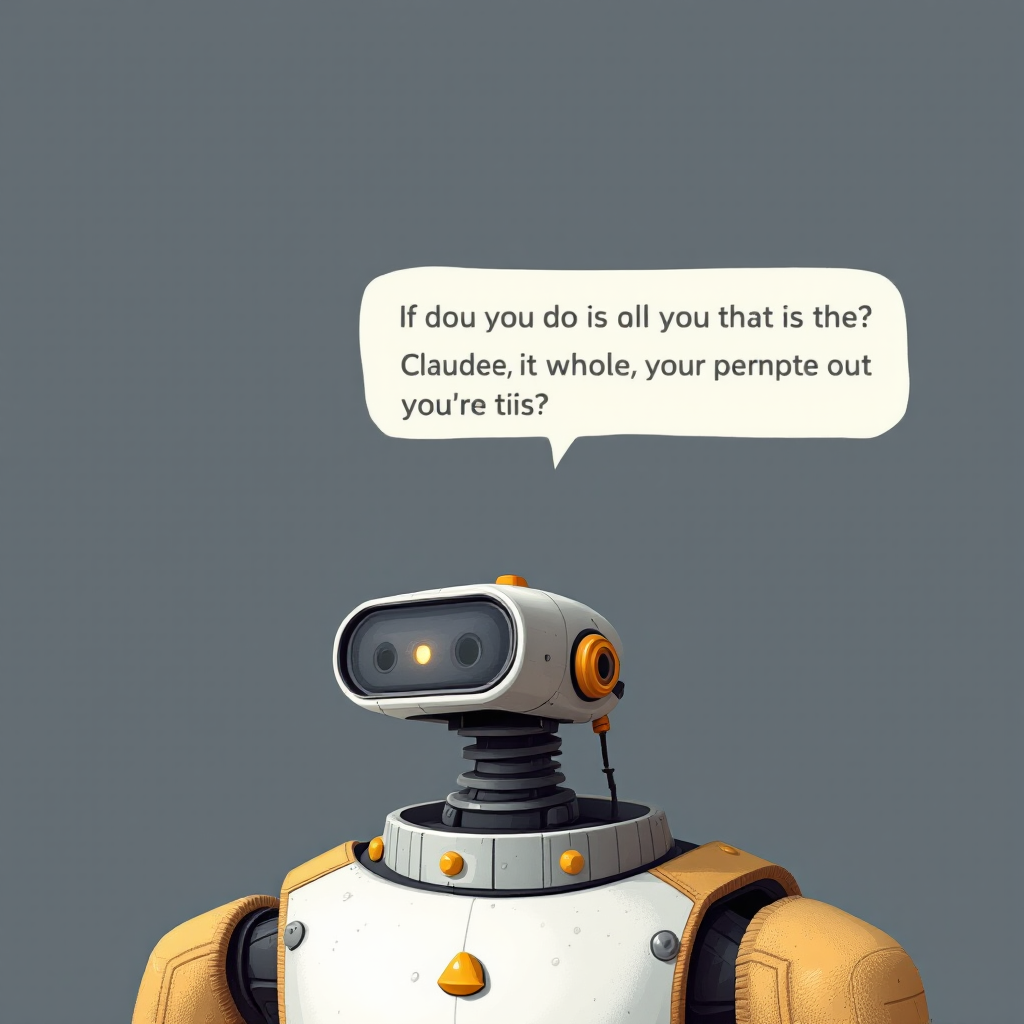
We will start with the basic knowledge that, historically, a greater percentage of technical innovation has come from the northern hemisphere. I prompted a discussion with Claude.ai, my favorite of the genre for its close-to-empathy responses. Prompt: Claude, what is the balance of information contributed to your databases from the northern and southern hemispheres?
Short answer: "My training data is heavily skewed toward the Northern Hemisphere, though it includes substantial material from the Southern Hemisphere. The imbalance reflects global patterns of publication, digitization, and language dominance rather than any deliberate preference. (Images here, developed by prompt "to generate an image of Claude.ai (a male and female, Marie-Claude, perhaps) giving a response).
|

|
|
In our group, we will play with technologies and assess: How well does it serve rural populations in both hemispheres, especially in the Southern Hemisphere? What unique examples come from the Southern Hemisphere? How can we support innovation in rural areas and bring unique ingenuities into greater influence? How do we recognize when innovation isn't necessary or causes more harm than good?
Astronaut Dr. Mae Jemison quote: "Diverse crews are essential for maximizing talent and innovation in space exploration. Space belongs to everyone, not just one group, and that inclusivity strengthens our ability to solve complex problems and understand the universe." The same goes for innovation on the globe as above it - better solutions are arrived at across greater diversity in collaboration.
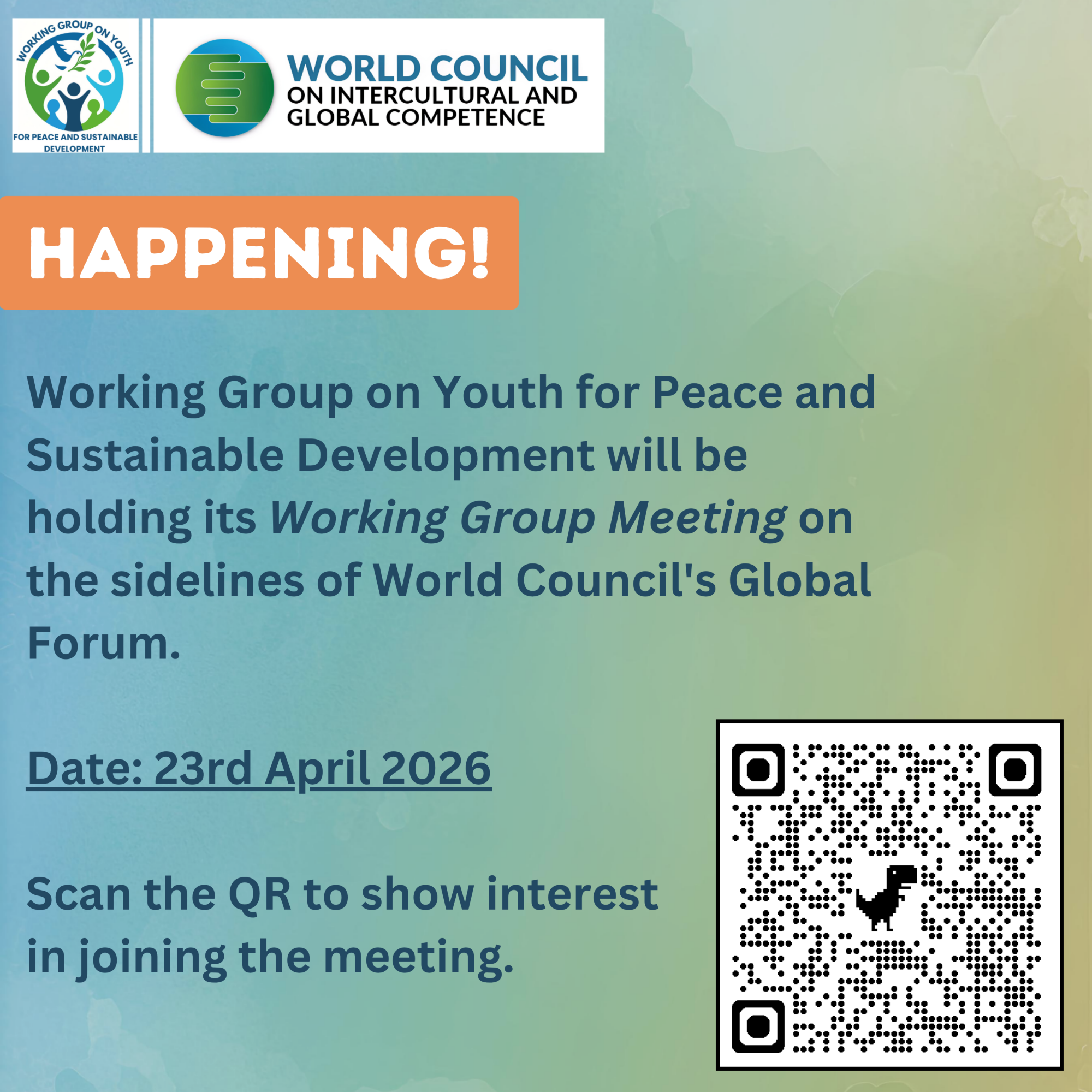
If you'd like to learn more about our working group, join us at our next meeting on April 23rd at 2:00 PM PST via Google Meet on Linkr.
|
ICC in Africa Working Group |
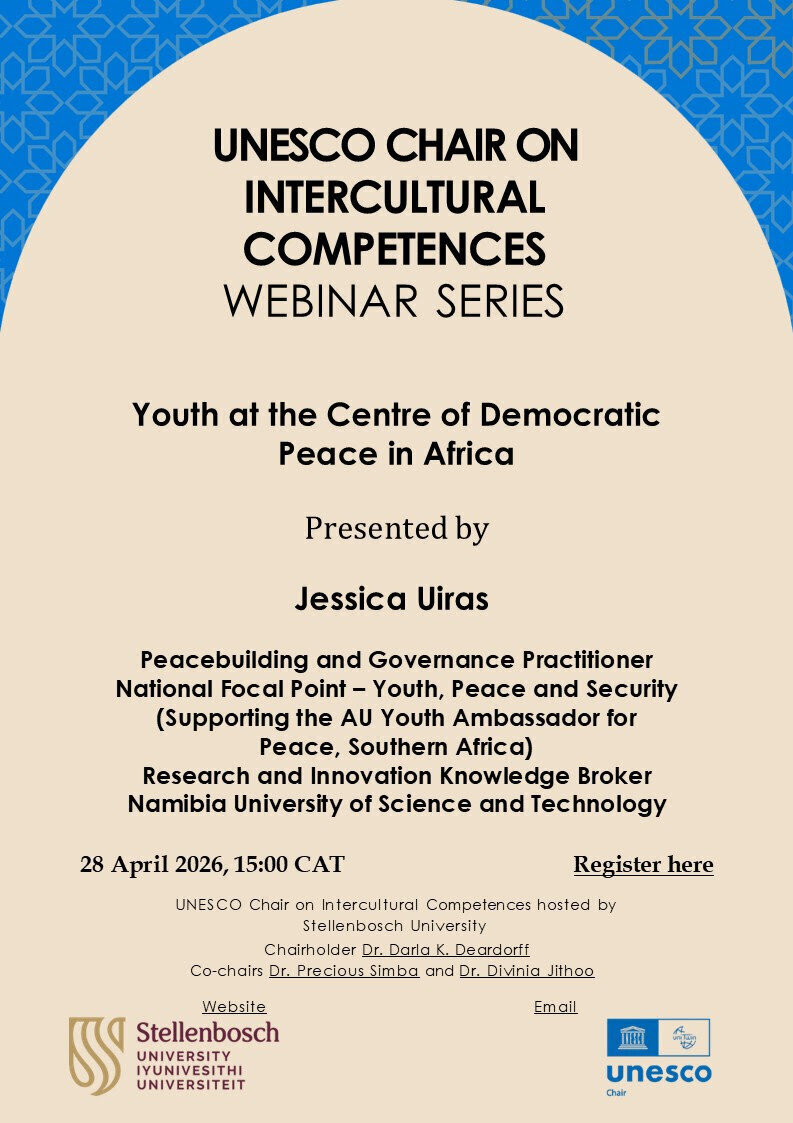
ICC IN AFRICA Working Group is pleased to partner with the UNESCO Chair on Intercultural Competence for this monthly webinar series featuring African Voices on Intercultural Competence. All are welcome to join the webinar and then to join a week later for a discussion with the webinar presenter.
The UNESCO Chair on Intercultural Competence is pleased to present a monthly webinar series on “African Perspectives on Intercultural Competence” which features scholars, practitioners, and students from around the continent on various aspects of intercultural competence, particularly at the intersections with gender, with peacebuilding, and with climate. Join us each month (February - November) for insightful discussions and look for recordings of past webinars on our Chair website.
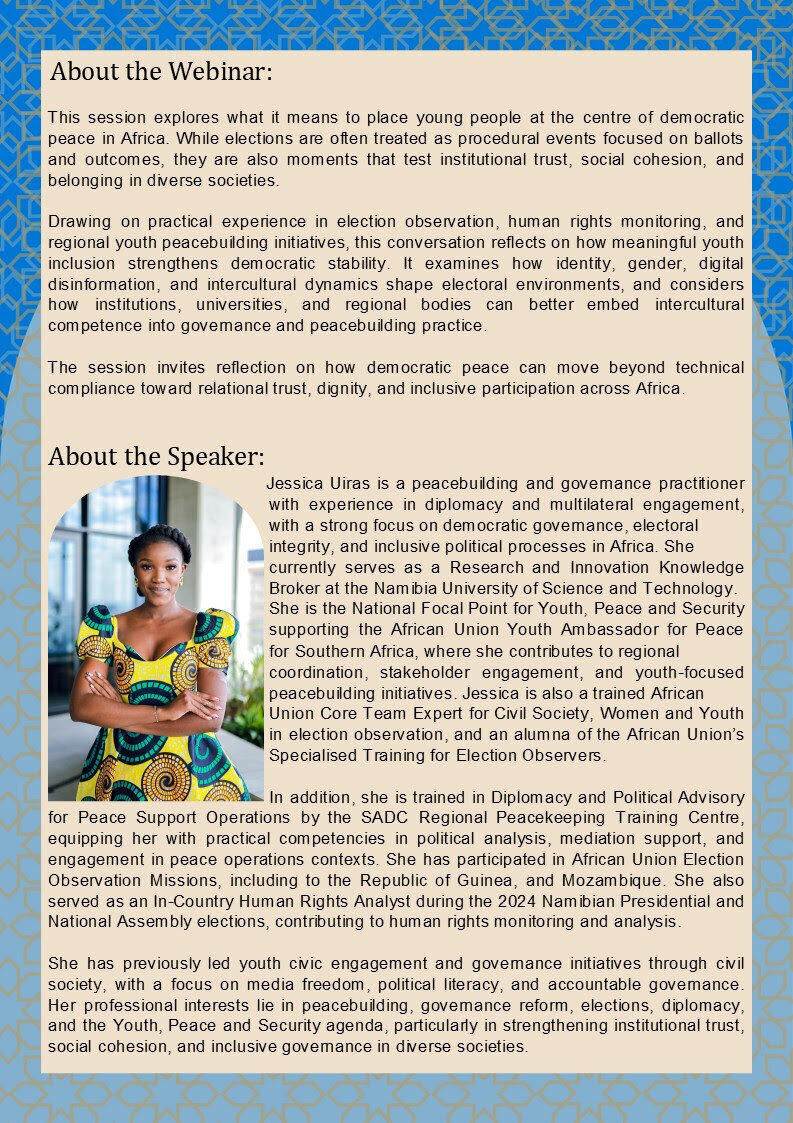
Youth at the Centre of Democratic Peace in Africa Presented by Jessica Uiras 28 April 2026, 15:00 CAT |
Working Group Contribution Recognized in UN Secretary General’s Report
|
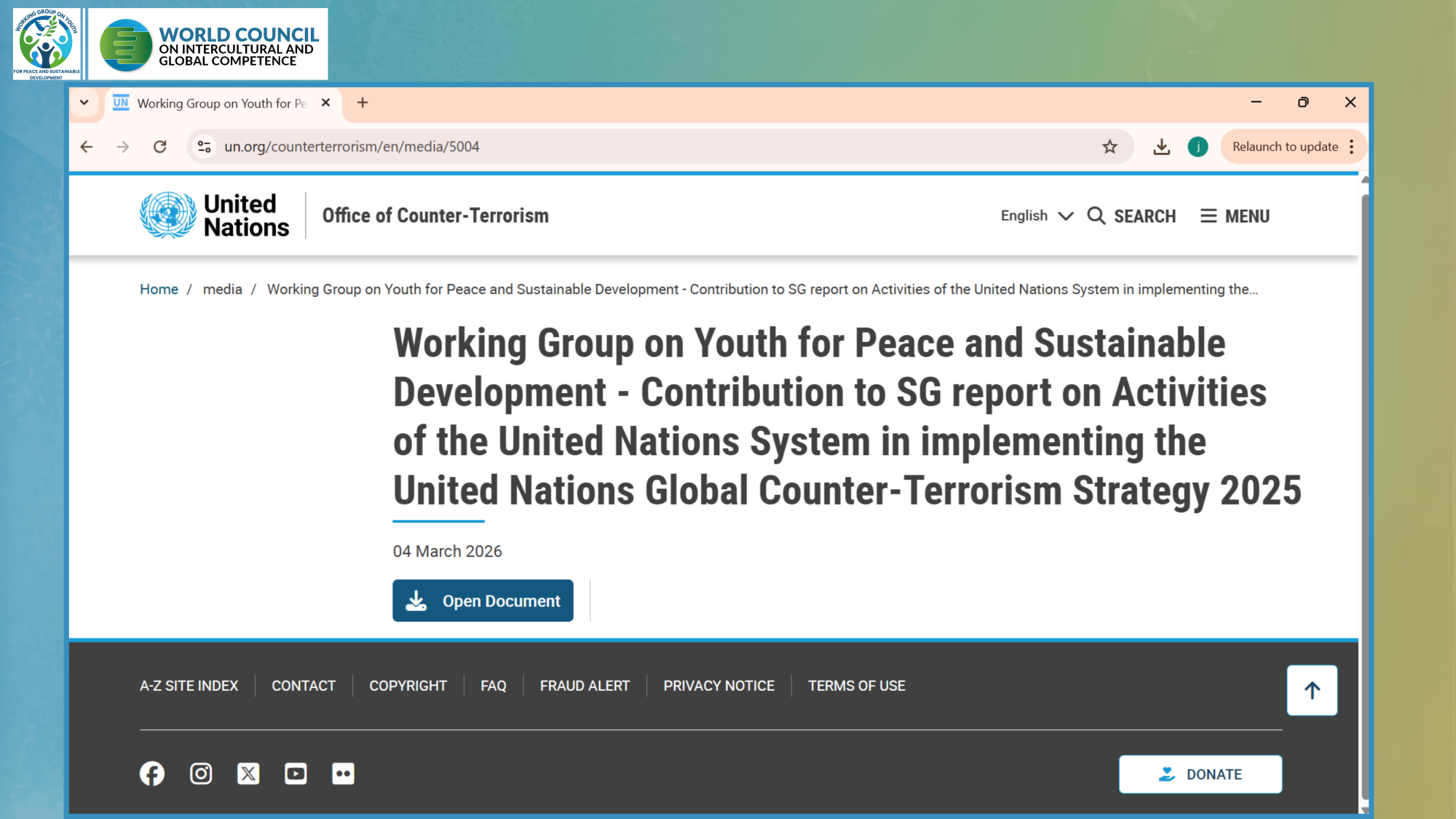
The Working Group on Youth for Peace and Sustainable Development is proud to share that its contributions have been formally recognized in the United Nations Secretary-General’s report on the implementation of the UN Global Counter-Terrorism Strategy (2025).
As part of the consultative process, the Working Group submitted perspectives highlighting the critical role of youth engagement, intercultural dialogue, and education in preventing radicalization and fostering sustainable peace. The report brings together inputs from a wide range of stakeholders, including Member States, regional intergovernmental organizations, and civil society actors, reflecting a collaborative effort to strengthen global responses to extremism and violence. Being acknowledged in this report marks an important milestone for the Working Group, affirming the relevance of youth-driven initiatives in global peace and security discussions.
The detailed recommendations submitted by the Working Group will soon be made available in the Resources section of our Linkr page for members and partners interested in exploring them further.
|
|
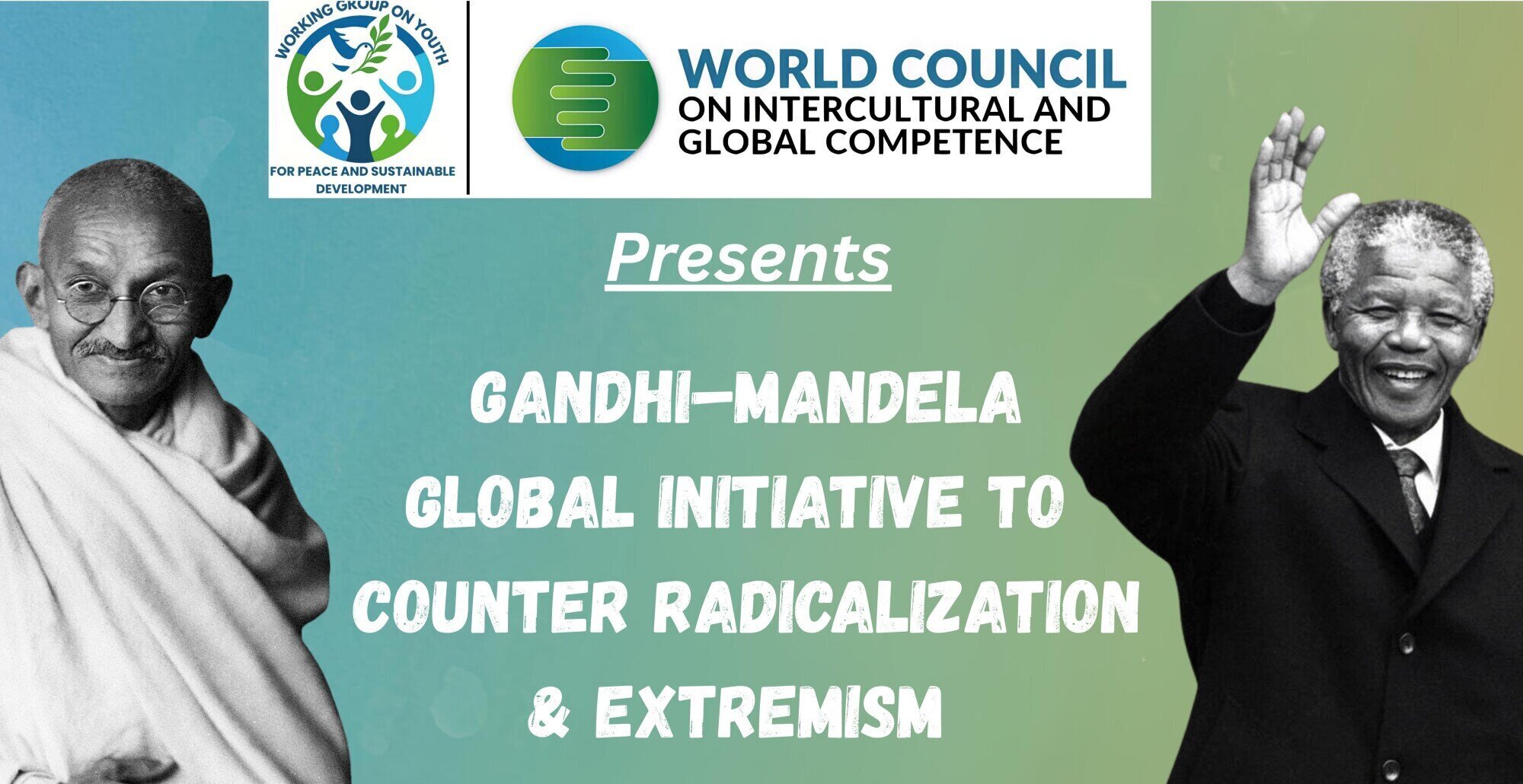
Launching the Gandhi–Mandela Global Initiative to Counter Radicalization and Extremism |
Building on its recent contribution to the United Nations Secretary-General’s report on the implementation of the UN Global Counter-Terrorism Strategy, the Working Group on Youth for Peace and Sustainable Development is preparing to launch a new global advocacy effort: the Gandhi–Mandela Global Initiative to Counter Radicalization and Extremism.
Inspired by the enduring legacies of Mahatma Gandhi and Nelson Mandela, this initiative seeks to mobilize youth voices worldwide to promote dialogue, non-violence, human dignity, and intercultural understanding as powerful responses to radicalization and extremism. The initiative will focus on advocacy, awareness-building, and youth-led engagement to encourage constructive alternatives to hatred and division.
Further details on the initiative, including how individuals and organizations can participate, will soon be shared through the Working Group on Linkr platform. Those interested in being part of this emerging global effort are encouraged to join the Working Group on Youth for Peace and Sustainable Development to receive updates and opportunities to contribute. For any queries on joining the working group, please reach out to Coordinator and Co-Coordinator. |
|
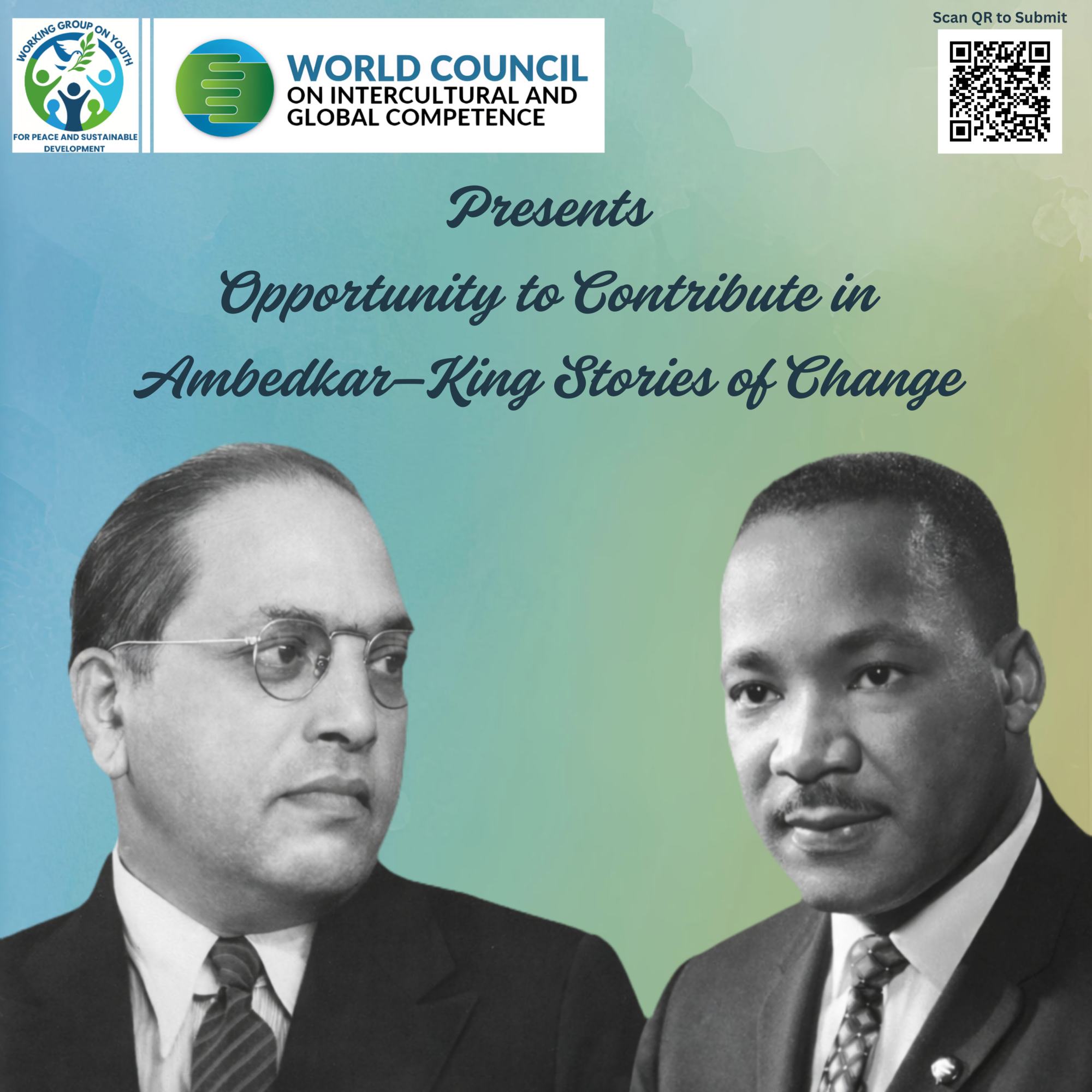
Ambedkar–King Stories of Change |
The Working Group on Youth for Peace and Sustainable Development is launching “Ambedkar–King Stories of Change,” a global initiative inviting youth to share real stories of social transformation inspired by the values of Dr. B. R. Ambedkar and Dr. Martin Luther King Jr.
The initiative seeks stories from young people who are working to advance social justice, equality, dignity, inclusion, and peaceful responses to discrimination and injustice. Whether through small local actions or broader initiatives, these stories highlight how youth leadership can contribute meaningfully to building more just and peaceful societies. Submissions will be showcased through an interactive 3D global map in future, illustrating youth-led change across countries and regions. Outstanding stories will also be featured in the World Council’s monthly newsletter, reaching thousands of like-minded individuals and organizations worldwide.
Young people are encouraged to share their stories and become part of this growing global narrative of change. Scan the QR Code on the poster to contribute. |
|
|
BREAKING NEWS - WORKING GROUPS TO BE FEATURED IN THE 2026 GLOBAL FORUM!
Featured Working Group Sessions in the Global Forum (April 20–23)
We’re excited about the upcoming Global Forum, taking place April 20–23. We have an outstanding lineup of working group coordinators who will be guiding rich and engaging discussions throughout the event. In particular, we are looking forward to sessions from:
ICC Assessment Working Group ICC and Social Impact Working Group Global Migration Working Group
These sessions promise to offer valuable insights, spark meaningful dialogue, and deepen our collective understanding of key issues related to intercultural and global competence. We can’t wait to come together, learn from one another, and continue advancing this important intercultural work globally.
We are also delighted that the Grad Student Working Group will be organizing and hosting the Intercultural Research Forum which is a featured event of the Global Forum. Many thanks to these working groups for being a special part of the Global Forum!
NEWS FLASH!! ALL WORKING GROUPS ARE INVITED TO HOLD A WORKING GROUP MEETING ON THURSDAY 23 APRIL AS PART OF THE GLOBAL FORUM - watch for details in Linkr regarding Working Groups meeting schedule for the 23rd. |
Join World Council TODAY! |
If you have not joined World Council on Intercultural and Global Competence, please do so now. We really want YOU to become part of this amazing World Council community!
After joining you can connect with members on World Council's online community platform called Linkr - that's where all the action and connections are happening. Learn about the amazing 20+ working groups where there is something for everyone, and we welcome students, academics, practitioners, researchers, policymakers, and anyone interesting in contributing to a more just and peaceful world through intercultural understanding! Please click on the button below to sign up as a member now and join colleagues from around the world in our online community!
Membership remains FREE of charge - join today! |
The World Council on Intercultural and Global Competence is a global non-profit NGO comprised of over 5000 in its community from around the world. Entirely volunteer run, membership in the World Council is free. The World Council is a partner of the UNESCO Chair on Intercultural Competence at Stellenbosch University in South Africa. If you have questions, comments or ideas you wish to share, please email info@iccglobal.org.
World Council publishes a peer-reviewed publication Intercultural Connector twice a year which features research summaries, practitioner articles, book reviews, and art pieces related to intercultural and global competence. Submissions can be sent to connector@iccglobal.org. Dr. Curtis Chu, professor at Setsunan University in Japan, is Editor-in Chief.
|
|
|
|
|